
What is Eyelid Surgery (Blepharoplasty)?
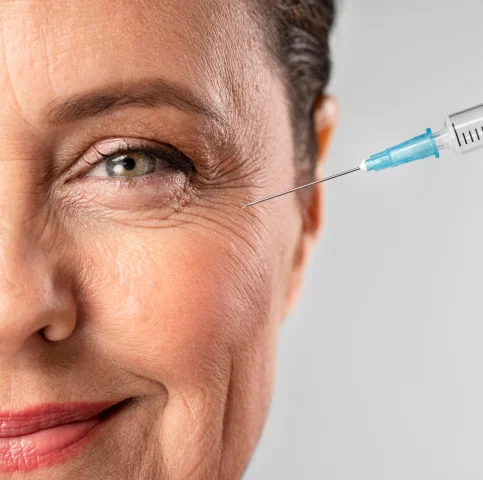
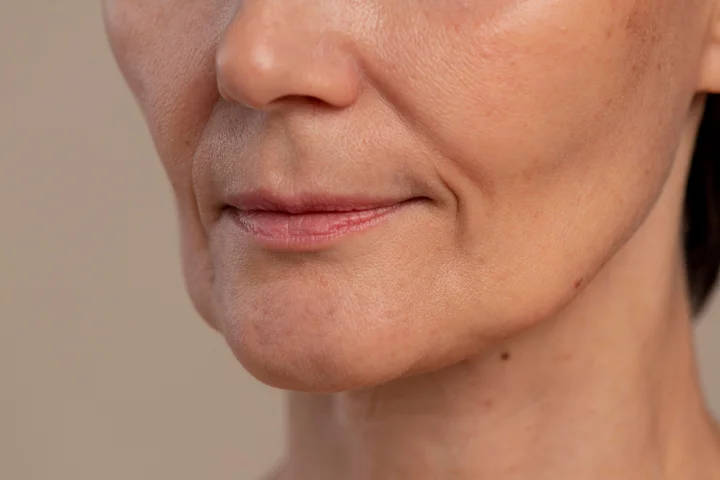
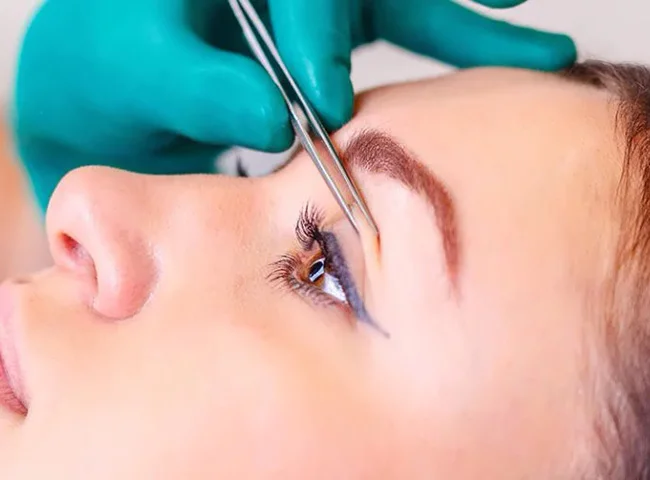
Eyelid surgery, also known as blepharoplasty in medicine, is a procedure in which excess skin, fat, and muscle tissue in the upper and lower eyelids are surgically corrected. Sagging, bags, and wrinkles around the eyes, caused by aging, genetic factors, or environmental factors, can make a person look tired, sleepless, or old. Blepharoplasty aims to eliminate these problems and achieve a more rested, youthful, and vibrant appearance around the eyes. The procedure can also become a functional necessity in cases where upper eyelid sagging restricts the field of vision.
Who are Suitable Candidates for Eyelid Surgery?
Eyelid surgery is a suitable option for adults who are bothered by signs of aging around the eyes and are in good general health. Ideal candidates are individuals with significant sagging and excess skin in the upper eyelids, fat herniation (baggage) or skin laxity in the lower eyelids. Assessment of the patient's eye health before the procedure is crucial. Certain eye diseases such as glaucoma, dry eye, hyperthyroidism, or uncontrolled systemic diseases can affect suitability for the procedure. Furthermore, since smoking can negatively impact healing, candidates should be informed about this.
Pre-operative Assessment and Preparation
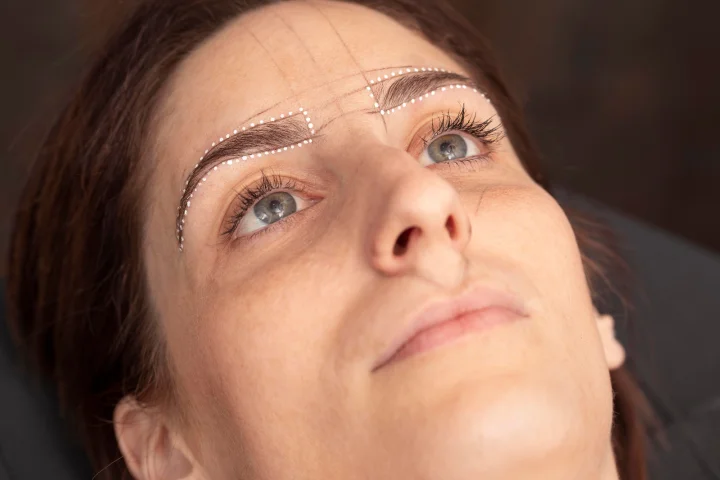
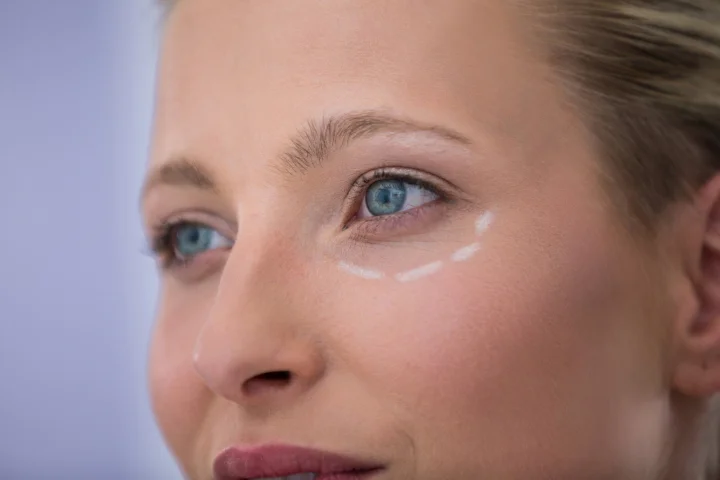
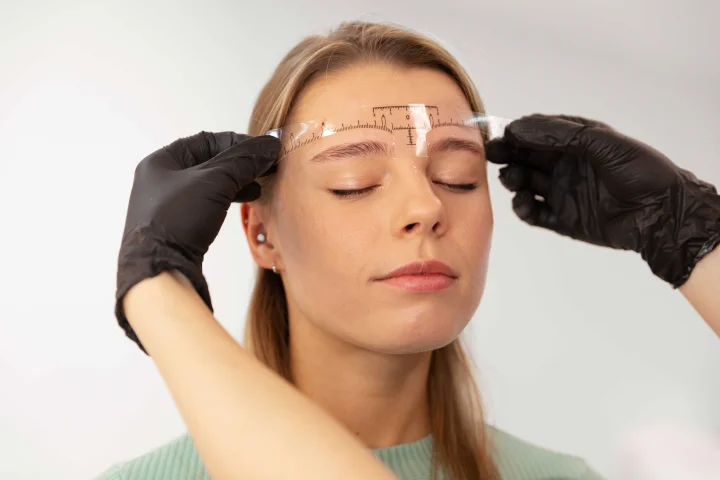
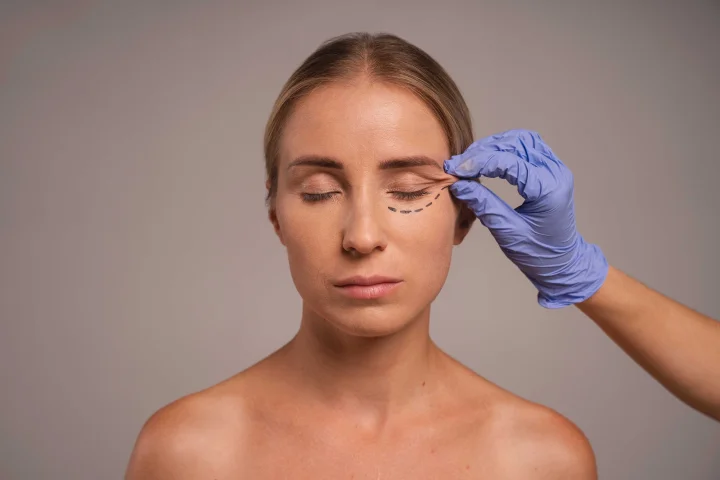
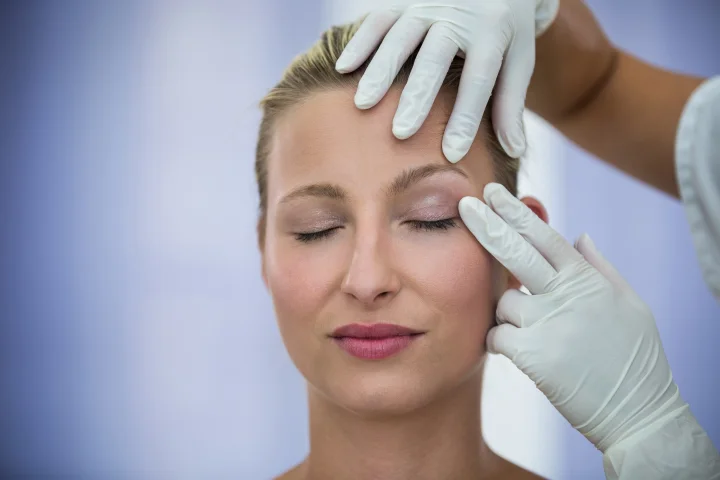
A detailed pre-operative assessment is essential for every patient planning eyelid surgery. This assessment includes taking the patient's medical history, a physical examination, and an eye examination. The surgeon evaluates the structure of the eyelids, skin quality, the degree of fat herniation, and muscle function. Photographic records are taken, planning is done, and expectations are clarified with the patient. Patients are asked to discontinue blood-thinning medications (aspirin, ibuprofen, etc.) and certain herbal supplements before surgery. If you smoke, it is recommended to quit to avoid risking healing. Wearing comfortable clothing and avoiding makeup on the day of surgery is also advised.
Eyelid Aesthetic Techniques
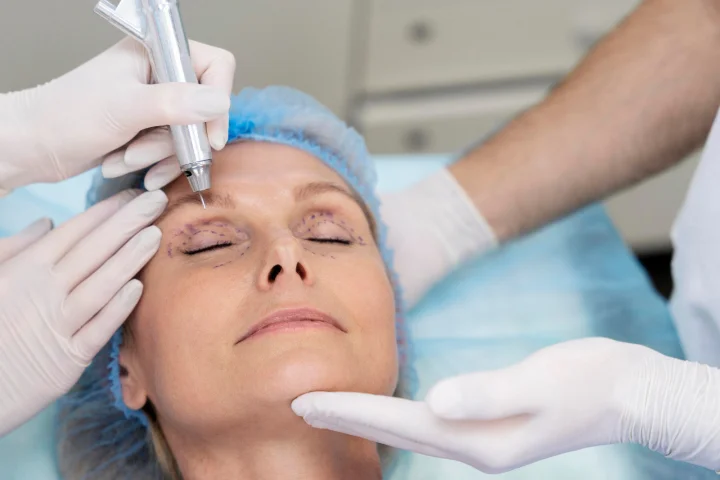
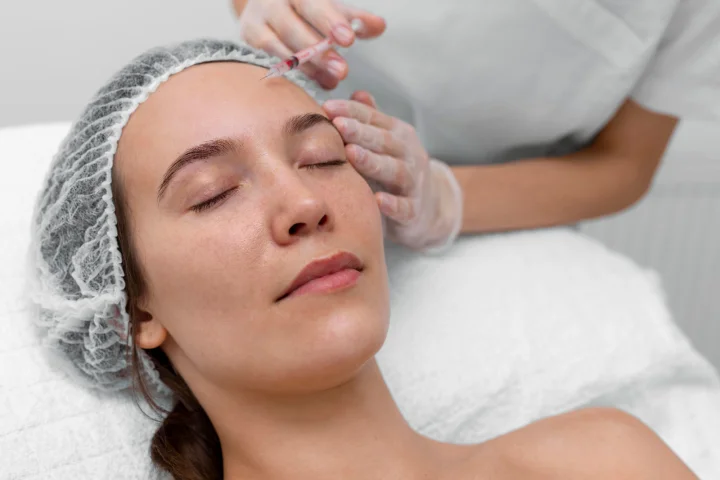
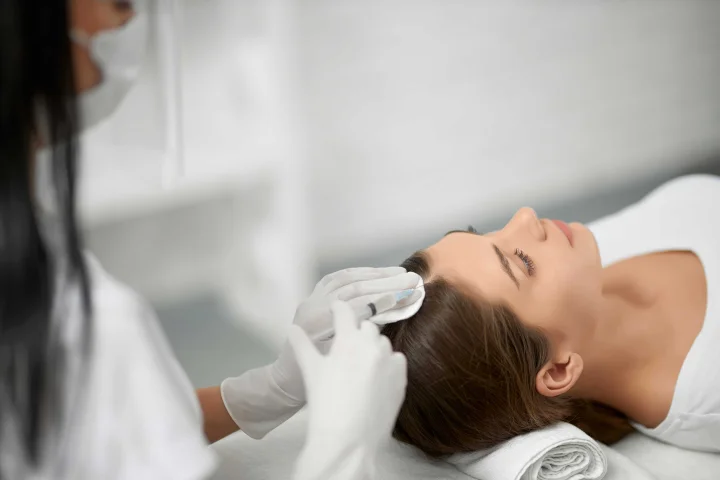
Eyelid aesthetic surgery is planned to cover the upper eyelid, lower eyelid, or both, depending on the need. In upper eyelid aesthetics, an incision is usually made hidden within the eyelid crease. Excess skin, fat, and, if necessary, muscle tissue are removed. In lower eyelid aesthetics, there are two main approaches: transcutaneous (with an incision through the skin) and transconjunctival (with an incision inside the eyelid). The transconjunctival approach is preferred, especially in younger patients who only need fat removal or repositioning, because it leaves no external scar. If there is significant skin laxity, a transcutaneous approach may be necessary. The procedure is usually performed under local anesthesia and sedation; The patient does not feel pain but is relieved.
Post-Surgery Recovery Process
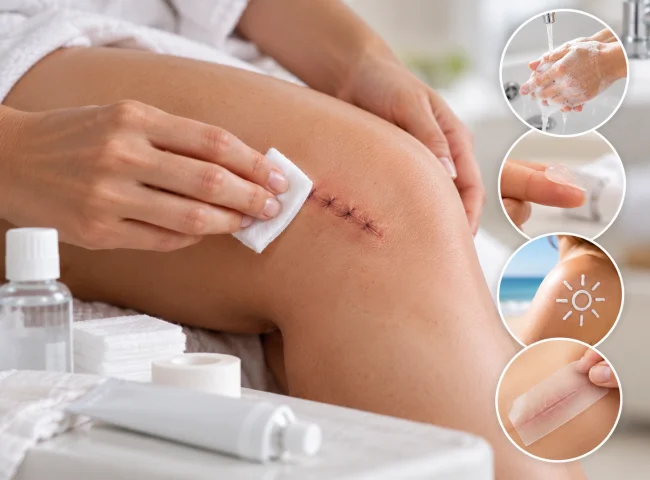
Although the recovery process varies from person to person, it is possible to draw a general timeline. Swelling and bruising around the eyes are most intense in the first 48 hours. Applying cold compresses is very helpful during this period. Sleeping with the head elevated helps reduce swelling. Pain relievers and antibiotics prescribed by the surgeon should be used regularly. Stitches are removed at the end of the first week, and in most patients, swelling and bruising have significantly decreased. It is generally recommended to wait 1-2 weeks before applying makeup and using contact lenses. Swelling gradually disappears within the first month, but minimal edema, especially in the lower eyelids, may persist for several months. Scars gradually change from pink to skin color and become almost invisible within the eyelid crease.
Things to Consider and Possible Risks
As with any surgical procedure, blepharoplasty carries some risks. These complications may include bleeding, infection, reactions to anesthesia, asymmetry, and temporary or permanent changes in vision. Dry eyes are a common, temporary condition managed with artificial tear drops. Rarely, drooping of the eyelid (ectropion) or problems with eyelid closure may develop. Most of these complications are quite rare in procedures performed by an experienced surgeon. During the recovery period, it is necessary to avoid strenuous exercise, activities that strain the eyes, hot baths, and saunas. Wearing sunglasses provides both protection and camouflages swelling and scarring.