Can Gynecomastia Go Away With Exercise? The Truth Most Men Don't Know
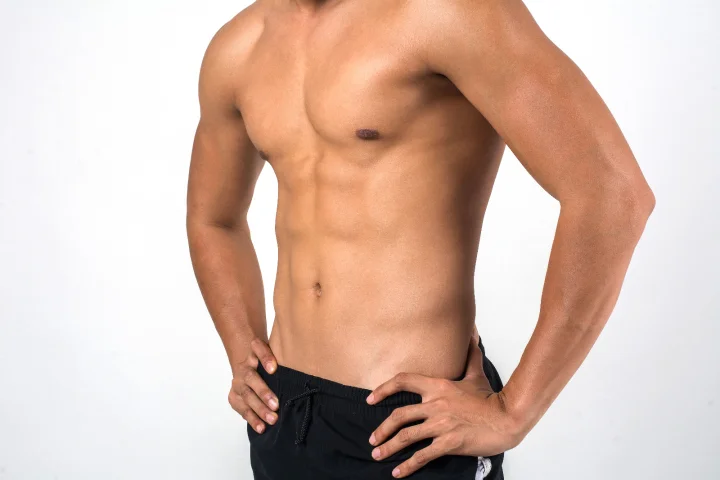
If you feel uncomfortable with fullness in your chest and find yourself wondering, “Will gynecomastia go away if I exercise and lose a few kilos?”, you are not alone. Male breast enlargement is a common concern, and the effect of exercise and weight loss depends largely on what is causing the enlargement.
The short answer is: sometimes, but often not completely. While exercise and weight loss can significantly improve chest appearance when excess fat is the main cause, true gynecomastia involves enlarged glandular breast tissue, which does not simply disappear with exercise.
What Is Gynecomastia?
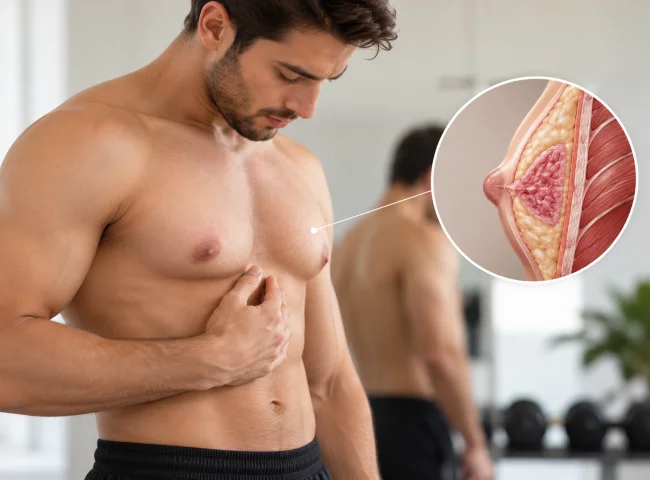
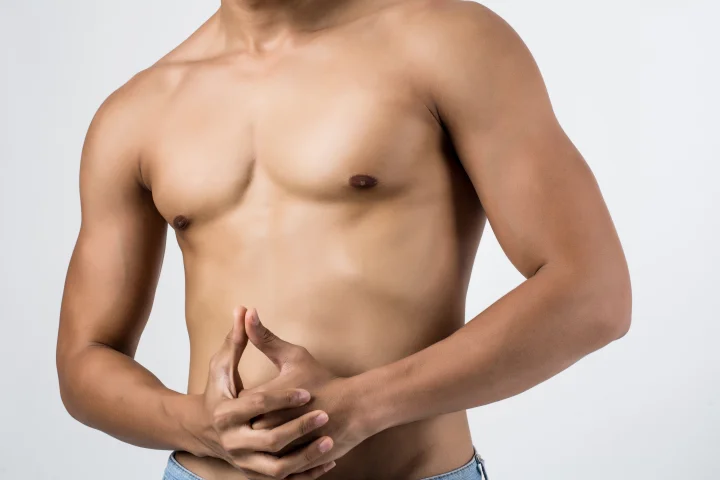
Gynecomastia is the benign enlargement of glandular breast tissue in men. It is often associated with a change in the balance between estrogen and testosterone.
Gynecomastia is particularly common during infancy, adolescence and later adulthood. However, not every case of male chest enlargement is gynecomastia.
The key distinction is that true gynecomastia primarily involves enlargement of glandular breast tissue. This is why exercise and weight loss may have limited effects in some patients.
True Gynecomastia or Excess Fat?
When a man notices enlargement in the chest area, the first step is determining what is causing it. There are generally three different conditions:
True Gynecomastia
In true gynecomastia, a firm or rubbery area of glandular tissue can often be felt beneath the nipple. Unlike fat tissue, this glandular tissue does not disappear simply through weight loss.
Pseudogynecomastia (Lipomastia)
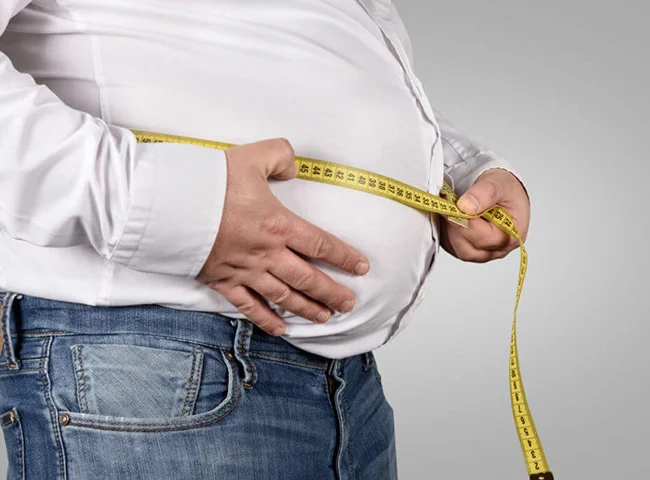
Pseudogynecomastia refers to enlargement caused primarily by excess fat in the chest area. It is particularly common in men who are overweight. In these cases, weight loss and regular exercise can significantly improve the appearance of the chest.
Mixed-Type Gynecomastia
In mixed-type gynecomastia, both glandular breast tissue and excess fat are present. Losing weight may reduce the fatty component, but the remaining glandular tissue may continue to cause chest fullness.
A physical examination is often sufficient for an initial assessment. When necessary, imaging tests such as ultrasound or mammography may also be used.
Can Losing Weight Make Gynecomastia Go Away?
If the enlargement is caused primarily by excess fat, weight loss can be highly effective. As overall body fat decreases, the amount of fat in the chest may also decrease, resulting in a more defined chest contour.
However, the situation is different with true gynecomastia. While weight loss reduces body fat, glandular breast tissue does not melt away like fat.
In mixed-type gynecomastia, weight loss can make the chest smaller, but the remaining glandular tissue may become more noticeable once the surrounding fat decreases.
It is also important to remember that fat distribution varies from person to person. Some areas of the body may be more resistant to fat loss. If residual chest fat remains after weight loss, liposuction may be considered in suitable patients.
Can Exercise Get Rid of Gynecomastia?
One of the most common misconceptions about gynecomastia is that chest exercises can eliminate glandular breast tissue.
The reality is:
- Spot fat reduction is not possible. Exercising a specific body part does not selectively burn fat from that area.
- Chest exercises such as push-ups and bench presses develop the pectoral muscles but do not eliminate glandular breast tissue.
- Building the chest muscles may improve the overall contour in some patients, but complete disappearance of a prominent glandular component should not be expected.
Nevertheless, regular exercise and a healthy diet remain highly beneficial. Reducing body fat, increasing muscle mass and maintaining a healthy lifestyle can positively affect the appearance of the chest and overall health.
When Is Gynecomastia Surgery Considered?
If true gynecomastia persists and negatively affects quality of life, self-confidence or clothing choices, surgical treatment may be considered.
The appropriate surgical approach depends on the amount of excess fat, glandular tissue and skin present.
Liposuction
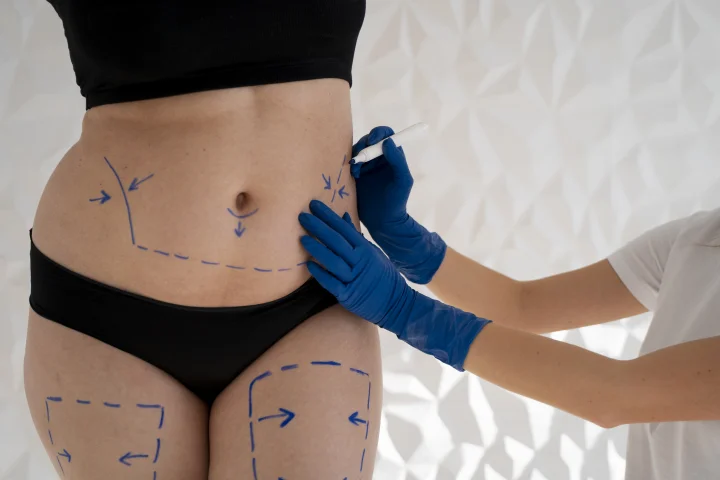
Liposuction may be used to contour the chest when excess fatty tissue is a significant component of gynecomastia or pseudogynecomastia.
Excision of Glandular Tissue
When prominent, firm glandular tissue is present, surgical excision of the excess breast tissue may be necessary.
Combined Gynecomastia Treatment
In mixed-type gynecomastia, liposuction and glandular tissue excision may be performed together to achieve a more balanced chest contour.
The appropriate technique is determined according to the patient's chest anatomy, the amount of fat and glandular tissue, skin elasticity and individual expectations.
What If the Chest Becomes Saggy After Significant Weight Loss?
Men who lose a significant amount of weight may be left with excess skin and sagging in the chest area, even after the amount of fat and glandular tissue has decreased.
If skin elasticity is good, liposuction and, when necessary, glandular tissue excision may be sufficient. However, significant skin excess or sagging may require an additional procedure.
In these cases, skin excision, meaning surgical removal of excess skin, may be considered. In some patients, repositioning the nipple may also be necessary.
Because skin excision can result in additional surgical scars, the incision location and expected scar appearance should be discussed in detail before surgery.
What Should You Do If Gynecomastia Does Not Improve With Exercise?
If chest fullness or firmness remains despite regular exercise and weight loss, the possibility of true gynecomastia should be evaluated.
In particular, if firm tissue beneath the nipple remains even after reaching your target weight, the enlargement may not be caused solely by excess fat.
An examination by a specialist plastic surgeon can assess the amount of fat, glandular tissue and skin in the chest and help determine the most appropriate treatment plan.
Frequently Asked Questions About Gynecomastia
Which exercises are effective for gynecomastia?
There is no specific exercise that shrinks glandular breast tissue. Overall weight loss may reduce excess chest fat, while chest exercises can strengthen the pectoral muscles and improve the overall chest contour.
Why does my chest look more saggy after losing weight?
As fat decreases, remaining glandular tissue or excess skin may become more noticeable. This can make the chest appear more prominent or saggy after significant weight loss.
Does gynecomastia during adolescence go away?
A significant proportion of adolescent gynecomastia cases may gradually improve on their own. However, persistent enlargement, significant firmness or discomfort should be evaluated by a physician.
Can gynecomastia completely go away without surgery?
Some early cases may regress when the underlying cause is addressed. However, established glandular breast tissue generally does not disappear completely through exercise or weight loss alone.
When Should You See a Doctor for Gynecomastia?
Not every case of male breast enlargement is gynecomastia. If you notice a firm lump on one side, nipple discharge, rapid enlargement or significant pain, medical evaluation should not be delayed.
These symptoms do not necessarily indicate simple gynecomastia, and your doctor may recommend further diagnostic tests when appropriate.
Gynecomastia Treatment in Adana
For men searching for gynecomastia surgery in Adana, the first step is determining the underlying cause of the chest enlargement.
During a gynecomastia assessment, the patient's chest anatomy, the amount of fat and glandular tissue, skin elasticity and degree of sagging are evaluated together. This assessment helps determine whether lifestyle changes are sufficient or whether gynecomastia surgery may be appropriate.
Conclusion: Can Gynecomastia Go Away With Exercise?
The answer to “Can gynecomastia go away with exercise?” depends on what is causing the chest enlargement.
Exercise and weight loss can be highly effective when excess fat is the main cause. However, in true gynecomastia, glandular breast tissue does not disappear with exercise. In mixed-type gynecomastia, weight loss may reduce the fatty component while the glandular tissue remains.
For this reason, the most appropriate approach is to first determine the underlying cause of the chest enlargement. This helps avoid unnecessary effort and allows an individualized treatment plan to be considered.
If you are looking for gynecomastia treatment in Adana and would like to learn more about your treatment options, you can contact Dr. Gökçen Oran for an individual evaluation.
Contact
For detailed information about gynecomastia surgery, liposuction, glandular tissue excision and treatment options, you can contact Dr. Gökçen Oran.
Click here to contact us and request an appointment for gynecomastia evaluation.
This article is intended for general informational purposes only. A medical examination is required for individual diagnosis and treatment.