What You Need to Know About Midface Lift Surgery
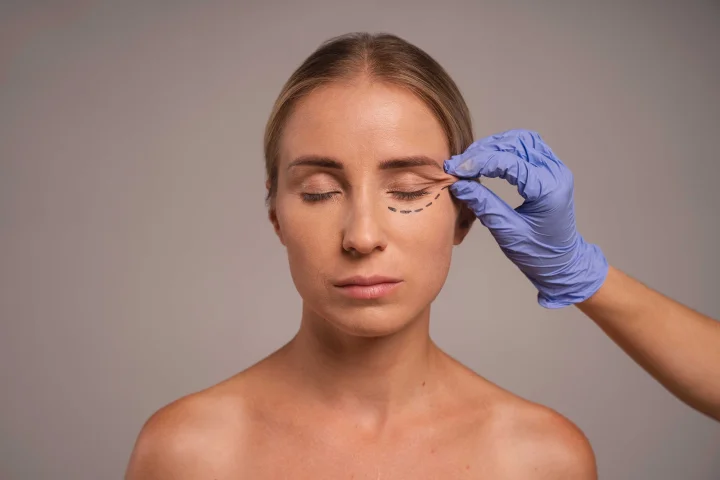
Have the hollows beneath your eyes become more noticeable, do your cheeks look less full than they used to, or does your reflection look tired? The reason may be less related to your eyelids and more to the downward displacement of the tissues in the middle of your face. In this article, I explain midface lift surgery, also commonly known as a cheek lift, in simple terms, including who it is suitable for, how it is performed, and what to expect during recovery.
What Is the Midface, and What Does a Midface Lift Do?
The midface is the area that extends from beneath the eyes, alongside the nose, and toward the mouth. It includes the cheekbones, cheeks, and under-eye area.
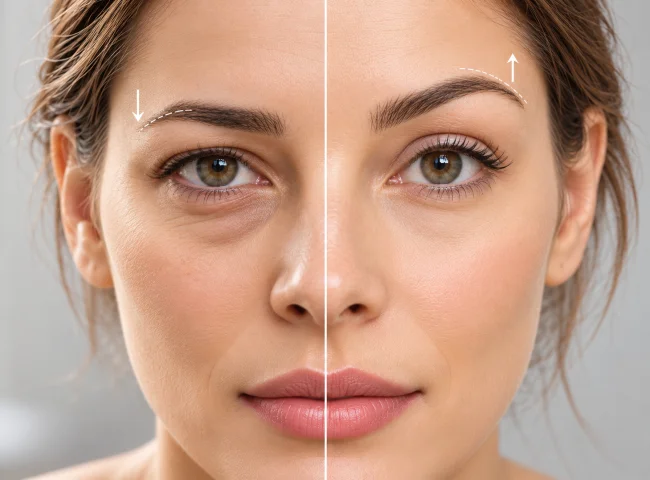
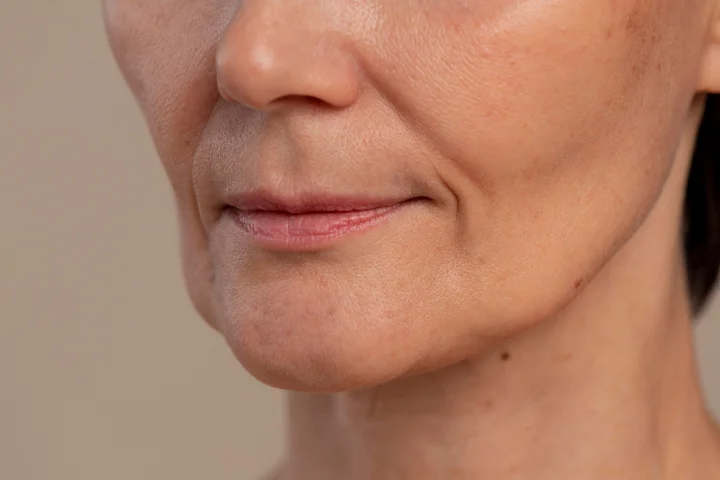
When we are young, this area has a soft, full contour that is noticeable when viewing the face from the side. Over the years, the fatty tissue in the cheeks gradually descends due to gravity, the cheekbone area becomes flatter, and hollows develop beneath the eyes. As a result, the face may begin to look more tired and sad than it actually is.
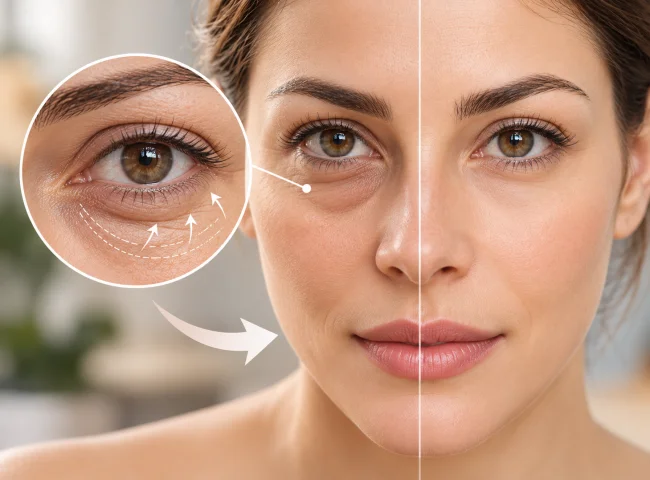
A midface lift moves these descended tissues upward and slightly outward, returning them toward their youthful position and securing them in place. Instead of adding volume from the outside with fillers, the procedure repositions the face's own tissues. For this reason, the result generally looks natural.
Is It the Same as a Traditional Facelift?
No. The two procedures are often confused. A traditional facelift primarily addresses sagging in the lower cheeks, jawline, and neck. A midface lift, also known as a cheek lift, targets the loss of fullness and tissue descent around the under-eye and cheekbone areas. Therefore, the two procedures are not interchangeable. If you have concerns in both areas, they may be planned together or performed at separate times.
Which Concerns May Be Addressed with a Midface Lift?
- Hollowing beneath the eyes and the appearance of under-eye bags
- Flattening of the cheekbone area and loss of fullness in the cheeks
- More noticeable lines between the cheeks and the sides of the nose when smiling
- Lower eyelids that appear elongated and a face that looks tired or sad
- Retraction of the lower eyelid following previous eyelid surgery
Who Is a Suitable Candidate?
There is no single age limit for midface lift surgery. The most suitable candidates are generally healthy individuals, often between their late 20s and 50s, whose main concerns involve the under-eye and cheek areas. In some people, the structure of the facial bones and the characteristics of the soft tissues can cause midface concerns to develop at a much younger age. In these cases, the aim of surgery is less about rejuvenation and more about restoring facial balance.
Surgery is often unnecessary for people who already have prominent cheekbones and a naturally full midface. In fact, it may make the face appear excessively wide and create an unnatural look. Therefore, the decision should be based not only on age but also on your facial structure. Patients should be at least 18 years old and have completed facial development before undergoing surgery.
How Is a Midface Lift Performed?
The procedure is generally performed under general anesthesia in a hospital setting. The soft tissues of the cheek are carefully released from the underlying bone, moved upward, and secured in their new position.
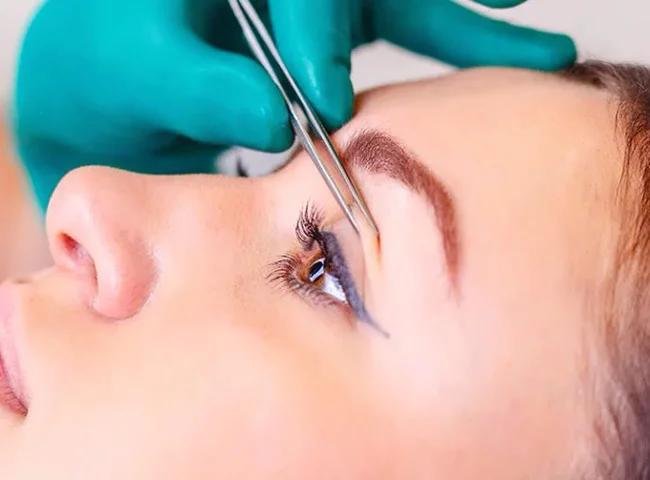
Incisions may be made within the hair-bearing scalp, through the lower eyelid, or inside the mouth. The incision route is determined according to the surgeon's preference and the patient's facial anatomy. One of these approaches may be used alone, or several may be combined. A midface lift is often planned together with a temporal lift, brow lift, or lower eyelid surgery.
How Long Do the Results Last?
When the repositioned tissues are securely anchored to the deeper tissues, the results can last for many years. Surgery does not stop the clock; you will continue to age. However, aging may progress more slowly in appearance and in a more balanced way than it would have without surgery. As long as the fixation of the deeper tissues remains intact, the correction achieved by the procedure does not simply reverse.
What Is the Recovery Process Like?
A midface lift is one of the facial aesthetic procedures in which swelling can take a relatively long time to resolve. Knowing this in advance is an important part of navigating recovery calmly.
- Noticeable facial swelling and bruising are expected during the first few days.
- The lower eyelid may temporarily appear pulled or tilted. This usually improves as the swelling subsides.
- For most people, swelling decreases substantially within 3 to 6 weeks. In some cases, it may take longer.
- People taking blood-thinning medication or aspirin may experience more extensive or prolonged bruising. Be sure to inform your doctor about these medications.
- Your face may look unfamiliar to you during the early stages of recovery. This is normal and usually resolves as healing progresses.
The time it takes to return to social activities varies from person to person. If you have an important event, wedding, or work commitment coming up, it is a good idea to discuss the timing of surgery in advance.
What Are the Risks and Side Effects?
As with any surgery, there is a risk of bleeding and infection. Temporary reduced sensation and temporary weakness in facial movements are commonly observed. Additional risks may occur depending on the incision route. Procedures performed through the lower eyelid carry a risk of eyelid retraction or changes in eyelid shape, while procedures performed through the mouth may carry a somewhat higher risk of infection and weakness in facial movements. You should discuss all these risks openly with your doctor before surgery.
Will There Be Visible Scars?
A midface lift generally leaves very limited scarring. An incision along the lash line usually heals into a very fine line. Scars from incisions inside the mouth are not visible externally. Incisions within the hair-bearing scalp are concealed by the hair. Scars generally become considerably less noticeable over approximately six months to one year.
What Should You Consider Before Making a Decision?
- Discuss with your doctor whether your concerns genuinely originate from the midface.
- Remember that surgery can noticeably change the appearance of your face. Before deciding, ask to see before-and-after photographs of similar cases treated by your doctor.
- The same operation is not suitable for every face. Ask why the proposed technique has been selected and what alternatives are available.
- Set a realistic timeline for recovery.
Frequently Asked Questions
What Is the Difference Between a Midface Lift and Dermal Fillers?
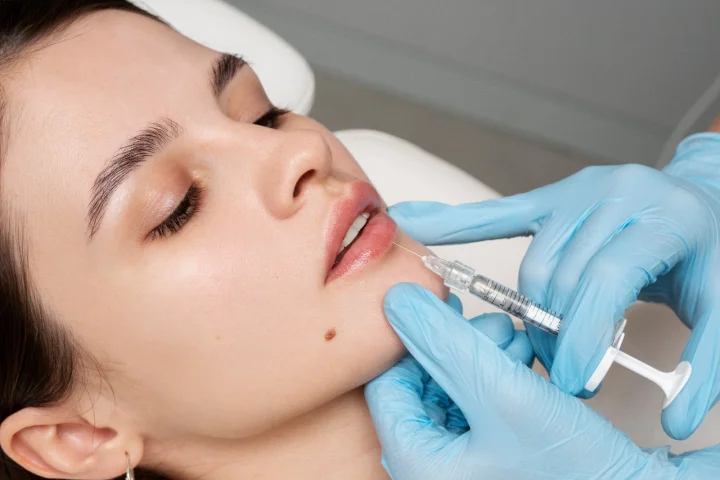
Fillers add volume from the outside, and their effects gradually wear off. A midface lift repositions the face's own tissues and is intended to provide a long-lasting result.
At What Age Can a Midface Lift Be Performed?
There is no specific age. The procedure is often considered from the late 20s through the 50s when concerns involving the under-eye and cheek areas become noticeable. Facial structure and the type of concern are more important than age alone.
What Is the Difference Between a Midface Lift and a Traditional Facelift?
A traditional facelift addresses sagging along the jawline and neck, while a midface lift targets tissue descent and loss of fullness around the under-eye and cheekbone areas. Since they address different regions, they are not interchangeable.
Can a Cheek Lift Correct Under-Eye Hollows?
Under-eye hollows are often associated with a loss of fullness in the midface. When the midface tissues are moved upward, these hollows may become significantly less noticeable, and the lower eyelid may appear shorter. The extent of improvement varies from person to person.
How Long Does the Surgery Take?
The duration depends on the incision route selected and whether the procedure is performed alone or together with eyelid, brow, or temporal surgery. Your doctor will provide an estimated duration based on your individual treatment plan during the consultation.
Will I Be Asleep During the Surgery?
Yes. The procedure is performed under general anesthesia.
Will I Experience Pain After Surgery?
Swelling, tightness, and bruising tend to be more prominent than pain. Any discomfort can be managed with medication recommended by your doctor.
When Can I Return to Normal Activities After a Midface Lift?
For most people, swelling decreases substantially within 3 to 6 weeks, although it may take longer in some cases. The timing of returning to work and social activities depends on the recovery process, the individual's healing rate, and the recommendations of the doctor.
When Will I See the Final Results?
Swelling can obscure the results during the first few weeks. As the swelling subsides, the new facial contours become more noticeable. It may take several months to see the final result clearly.
Can a Midface Lift Be Performed Alone, or Is It Combined with Other Procedures?
Both options are possible. Depending on your concerns, the procedure can be performed alone or planned together with a temporal lift, brow lift, or lower eyelid surgery. Combining procedures is also common.
How Much Does Midface Lift Surgery Cost?
The cost is determined individually according to the scope of surgery and any additional procedures. A consultation is necessary to obtain specific information about pricing.
Will My Face Look Different After Surgery?
Yes. Because the midface is one of the most defining areas of the face, the change can be noticeable. The goal is not to make you look like someone else, but to help you look more refreshed and balanced.
Can My Face Return to Its Previous Appearance After Surgery?
As long as the fixation of the deeper tissues remains intact, the result is intended to be long-lasting. This is why it is important to consider the decision to undergo surgery carefully.
Conclusion
A midface lift is an effective but comprehensive surgical procedure that addresses sagging and loss of volume in the middle of the face. Selecting the right candidate, choosing the appropriate technique, and having realistic expectations are essential to achieving a result you are satisfied with. The best approach is to arrange a consultation and receive an individualized assessment from a specialist based on your facial structure.
We welcome you to our clinic for answers to your questions and a detailed, personalized assessment.
This article is intended for informational purposes only. Please consult a plastic surgery specialist for treatment tailored to your individual needs.
Midface Lift Surgery in Adana
For patients in Adana who are considering a midface lift or cheek lift, it is important to have their facial anatomy and concerns assessed by a qualified plastic surgeon. The causes of concerns such as under-eye hollows, flattening of the cheekbone area, and loss of cheek volume can vary from person to person.
Patients travelling from nearby provinces, including Mersin, Hatay, Osmaniye, and Kahramanmaraş, can also arrange a consultation to determine whether a midface lift may be suitable for them and to receive an individualized assessment of their treatment options.
For more information about midface lift surgery, cheek lifts, and facial aesthetics, you can contact Dr. Gökçen Oran.