Recovery After Gynecomastia Surgery: What to Expect Day by Day
For patients considering gynecomastia surgery, the biggest questions are often not about the operation itself, but what happens afterward: How much bruising should I expect? When can I return to work? When can I start exercising again?
There is no single answer to these questions. The recovery process after gynecomastia surgery varies considerably depending on the extent of the procedure. The recovery of a patient who undergoes only fat and glandular tissue removal differs from that of a patient who requires skin excision due to excess skin or has lost a significant amount of weight. In this article, we explain the process according to the different patient groups commonly encountered in clinical practice.
Note: The time frames below provide general guidance. Recovery varies from patient to patient, and your surgeon will determine the appropriate timeline for your individual case.
Which Recovery Group Do You Belong To?
The recovery period generally becomes longer as the extent of surgery increases. Patients can be broadly divided into three groups:
- Group 1: Patients who undergo liposuction only, with fat tissue removed by aspiration.
- Group 2: Patients who undergo liposuction combined with the removal of glandular breast tissue.
- Group 3: Patients who also require skin removal due to excess skin, including patients who have lost a significant amount of weight and post-bariatric patients.
Your group is determined during the preoperative examination by evaluating the structure of the chest tissue and skin elasticity.
Group 1: Recovery After Liposuction Only
If chest enlargement is primarily caused by excess fat, the procedure may be completed using liposuction through small incisions. Of the three groups, this procedure generally involves the shortest recovery period.
The First 24–48 Hours
Tightness, tenderness and mild pain in the chest area are expected after surgery. These symptoms can usually be managed with pain medication recommended by your surgeon. You will be advised to wear a compression garment, often called a gynecomastia vest, for the recommended period. Gentle walking around the home may also be encouraged to support circulation.
When Do Bruising and Swelling Go Away?
Bruising often becomes more noticeable during the first few days and gradually fades over the following weeks, changing to yellowish or greenish tones. Swelling may take longer to resolve. Although it decreases over several weeks, it can take a few months for the chest to reach its final shape. It is normal for the chest not to look completely flat during the first few weeks.
How Long Should You Wear the Compression Garment?
A compression garment helps control swelling and supports the tissues as they settle into their new shape. The recommended duration varies depending on the surgeon and the procedure, but it often lasts several weeks. Do not stop wearing your garment on your own; consult your surgeon before making any changes.
When Can You Return to Work?
Many patients with desk-based jobs can return to work within the first week, depending on their recovery. Patients whose jobs involve heavy lifting or intensive use of the arms and chest muscles may need more time before returning to work.
When Can You Resume Exercise?
Gentle walking may be possible during the first few days. However, you will generally need to wait several weeks before returning to heavy lifting, chest and arm exercises, or bodybuilding. Resuming strenuous exercise too early may increase the risk of bruising, fluid accumulation and changes in the surgical result.
Group 2: Recovery After Liposuction and Glandular Tissue Removal
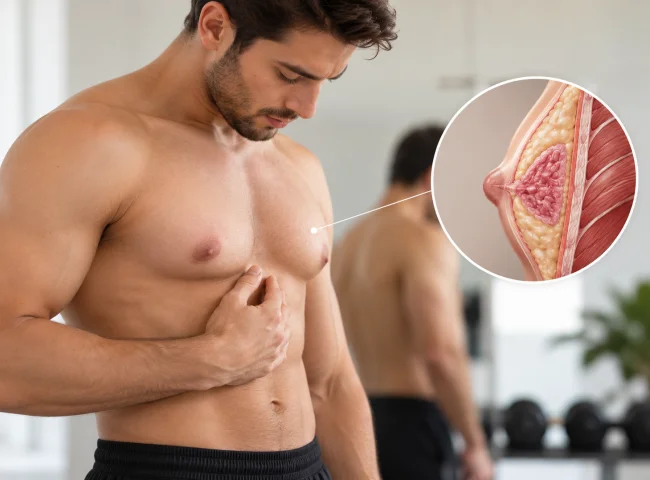
If chest enlargement is caused by both excess fat and firm glandular breast tissue, the glandular tissue may be removed in addition to liposuction. This is usually performed through a small incision along the edge of the areola. The overall recovery process is similar to that of Group 1, but there are several important differences.
Incision Site and Stitches
Patients who undergo glandular tissue removal may have a small incision and stitches around the edge of the areola. The wound should be kept clean and dry, and your surgeon's instructions regarding wound care and dressings should be followed carefully.
Tenderness, Firmness and Changes in Sensation
Tenderness and mild firmness may be felt in the area where the glandular tissue was removed during the first few weeks. Temporary changes in sensation around the nipple may also occur. The time required for these sensations to improve varies from patient to patient.
Bruising, Swelling and Fluid Accumulation
Fluid accumulation (seroma) or blood accumulation (hematoma) may occur in the space left after glandular tissue removal. The risk varies according to the extent of the procedure. Wearing the compression garment as instructed and attending follow-up appointments are particularly important for this group.
Returning to Work and Exercise
The time needed to return to work is often similar to that for Group 1. However, returning to sports and chest exercises should be planned more cautiously. Your surgeon will determine when it is appropriate to resume these activities.
Group 3: Recovery When Skin Is Also Removed
If the chest skin is sagging or there is significant excess skin, removing fat and glandular tissue alone may not be sufficient. The excess skin may also need to be removed. When skin excision is performed during gynecomastia surgery, the incision may be longer, the surgical scar may be more noticeable, and recovery generally takes longer than in the other two groups.
Stitches and Wound Care
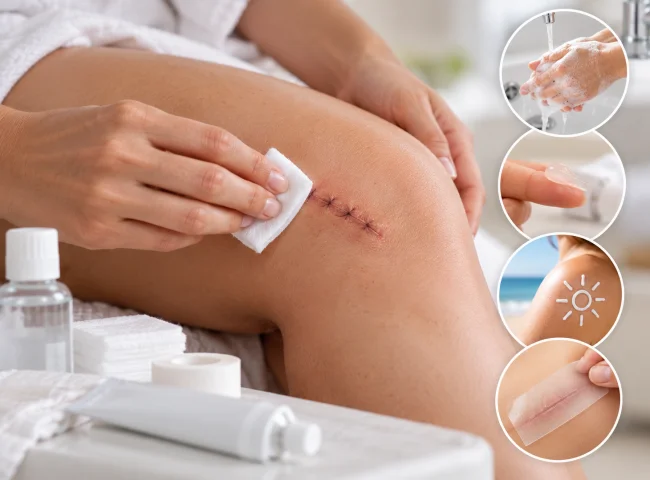
Stitches may extend along the incision line. Some stitches dissolve on their own, while others need to be removed at a follow-up appointment. It is important to follow your surgeon's instructions regarding dressings, showering and wound care.
Fluid Accumulation and Drains
Some patients may need a temporary drain after surgery to remove excess fluid. Since fluid accumulation may be more common in this group, attending scheduled follow-up appointments is essential.
Movement Restrictions
During the first few weeks, lifting the arms above the head and carrying heavy objects may be restricted to reduce tension on the incision lines. Recovery generally takes longer than it does for patients in the other two groups.
Scar Care
Scar maturation is one of the longest stages of recovery. During the first few months, scars may appear red or raised before gradually becoming paler. Protecting the scars from sunlight and following your surgeon's recommended scar-care methods are important.
Warning Signs to Watch For
Contact your surgeon without delay if you experience any of the following symptoms:
- Increasing redness, warmth, discharge or an unpleasant odor around the wound.
- Noticeable swelling or tightness on one side of the chest compared with the other.
- Fever or progressively worsening pain.
Severe or rapidly worsening symptoms may require urgent medical evaluation.
Recovery After Major Weight Loss and in Post-Bariatric Patients
After significant weight loss, particularly following bariatric surgery, the chest may have excess skin in addition to fat and glandular tissue. For this reason, these patients often fall into Group 3 and may need to take additional precautions during recovery.
Is Your Weight Stable?
It is important for your weight to remain stable for a certain period before surgery. If you are continuing to lose weight, the final result may change. The appropriate timing for surgery should be evaluated during your consultation.
Nutrition and Wound Healing
Deficiencies in protein, vitamins and minerals can slow wound healing. In post-bariatric patients, checking for nutritional deficiencies and correcting them under medical supervision when necessary can directly affect the recovery process.
Smoking
Smoking is an important factor that can impair wound healing. Following your surgeon's advice about stopping smoking before and after surgery is essential.
Closer Follow-Up May Be Needed
Because skin laxity and healing rates vary between individuals, follow-up appointments may need to be scheduled more closely. Recovery can take longer, so patience is important.
General Recommendations for All Patient Groups
- Tell your surgeon before surgery if you take blood thinners, aspirin or supplements.
- Do not change your compression garment or dressing instructions without consulting your surgeon.
- Avoid strenuous upper-body exercise during the first few weeks after surgery.
- If you are unsure about any symptoms, contact your surgeon rather than waiting.
Frequently Asked Questions About Recovery After Gynecomastia Surgery
How many days should I stay home after gynecomastia surgery?
Rest is generally recommended for the first few days. Patients can then gradually return to light daily activities. The exact time depends on the extent of surgery and the individual's recovery.
When does bruising go away after gynecomastia surgery?
Bruising usually decreases over several weeks. Swelling may last longer, and it can take a few months for the chest to reach its final shape.
Do I need to wear my compression garment at night?
This depends on your surgeon's instructions. You should wear the garment for the recommended period and follow the specified wearing schedule.
When can I start exercising again?
Gentle walking may be possible early in recovery. You should wait for your surgeon's approval before resuming heavy lifting or upper-body exercises.
How can I know whether skin excision is necessary?
Your surgeon will assess the chest tissue and skin elasticity during the examination. The need for skin removal is determined based on this evaluation.
Gynecomastia Surgery in Adana and Surrounding Provinces
Patients considering gynecomastia surgery in Adana can undergo a preoperative assessment to evaluate the structure of the chest tissue and the elasticity of the skin. This examination helps determine which approach may be appropriate, including liposuction, glandular tissue removal or skin excision.
In addition to Adana, patients from surrounding provinces such as Mersin, Hatay, Osmaniye and Kahramanmaraş can also seek information and arrange an evaluation for gynecomastia treatment. The postoperative follow-up and recovery plan are tailored to each patient's needs and the extent of the procedure.
Conclusion
Recovery after gynecomastia surgery is not the same for everyone. Understanding the extent of your procedure helps you plan for recovery. Patients who undergo liposuction only may have different recovery needs from those who require glandular tissue removal or skin excision.
If you are considering gynecomastia surgery or have questions about recovery after the procedure, an individual consultation can help assess your condition and explain the options appropriate for you.