Liposuction Doesn't Make You Lose Weight, It Shapes Your Body: Who Can Benefit from It?
Liposuction is one of the most widely discussed and frequently misunderstood procedures among body contouring methods. Many people think of it as a weight-loss method. However, liposuction is performed to improve body contours, not to help you lose weight. When performed on the right candidate, it can deliver highly satisfying results. When performed on the wrong candidate, it can lead to disappointment for both the patient and the surgeon. Therefore, the real question should not be "Can I get liposuction?" but rather "Am I the right candidate for this procedure?"
Who Is an Ideal Candidate for Liposuction?
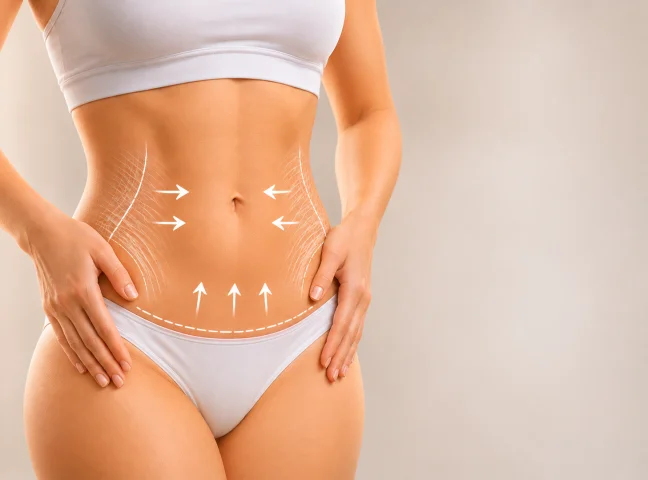
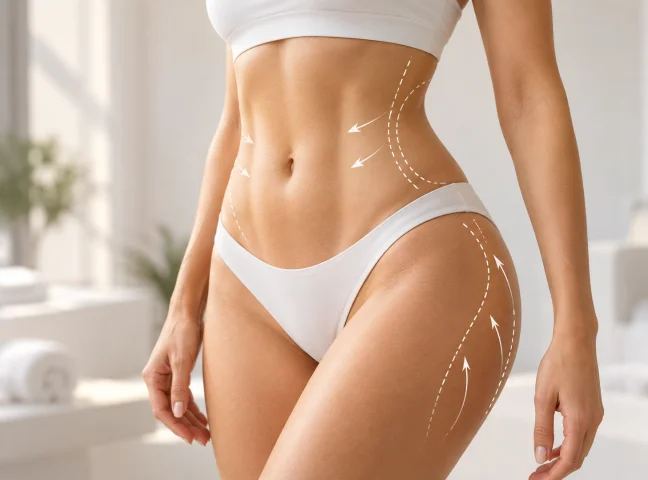
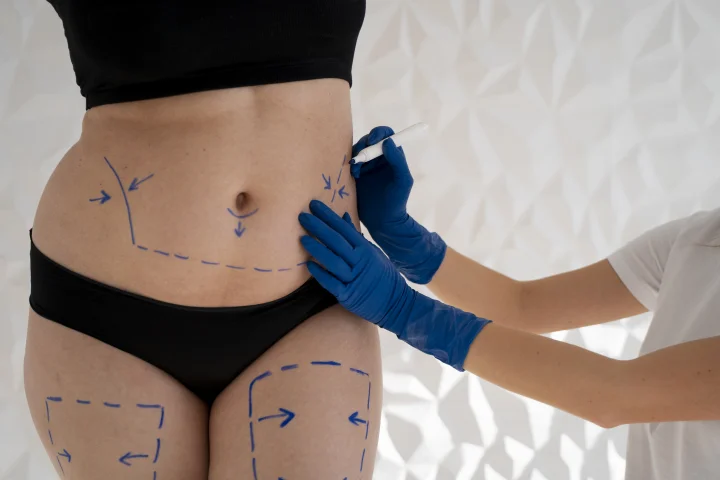
An ideal candidate is someone whose body weight is already within the normal range, meaning their body mass index falls within the normal range. This person pays attention to their diet and exercise, maintains a regular lifestyle, but still has stubborn fat deposits in areas such as the abdomen, waist, hips, thighs, inner thighs, or arms.
For these patients, the problem is not weight but fat distribution. No matter how much you exercise, fat does not decrease equally in every area. Your genetic makeup may cause your body to stubbornly retain fat in certain areas. This is exactly where liposuction comes in.
Be Careful If You Have a History of Significant Weight Loss
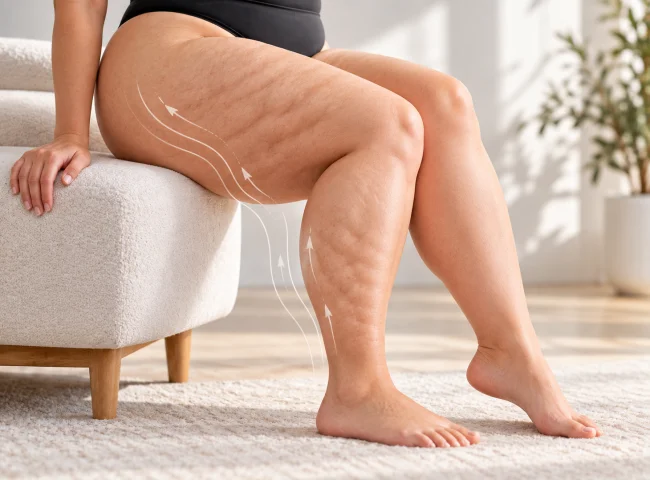
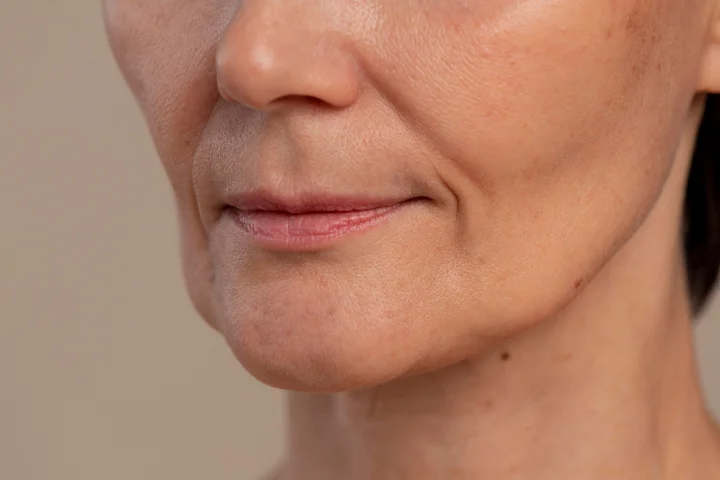
The situation is somewhat different for people who have a history of significant weight loss. The skin of someone who has lost a substantial amount of weight may have been stretched and may have lost some of its elasticity. In this case, the skin may not tighten adequately after fat is removed. As a result, sagging and looseness may become more noticeable instead of achieving a better body shape.
This does not mean that liposuction can never be performed on these patients, but it may often not be the most suitable option on its own. If excess skin is present, options such as body lift procedures that also address the skin may need to be discussed. Skin quality should always be assessed during the examination before making a decision.
Liposuction Can Produce Better Results If You Have Good Muscle Definition
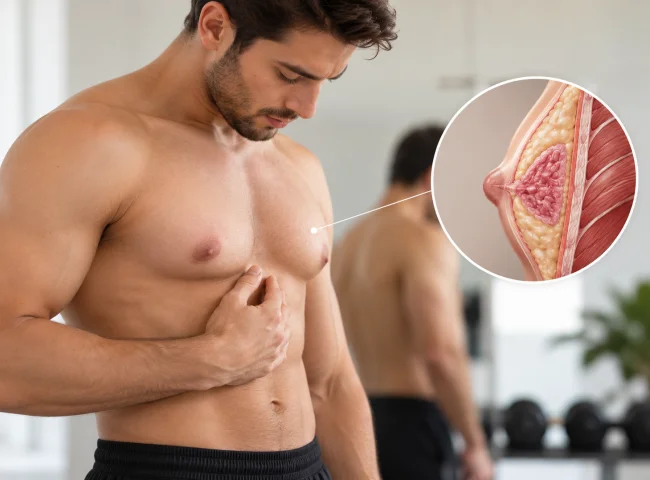
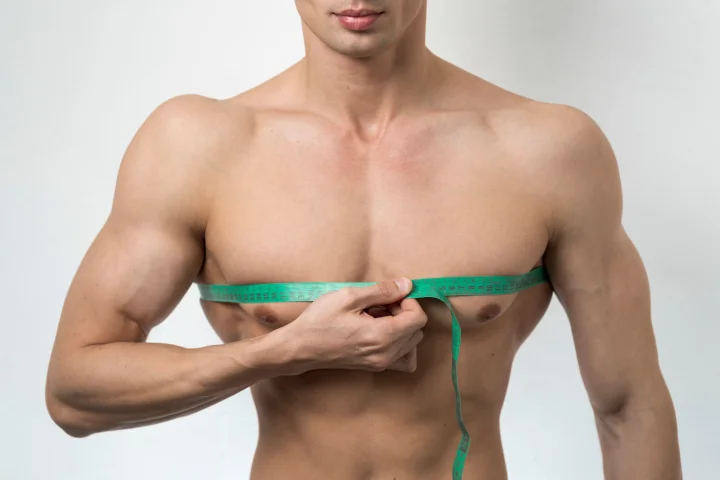
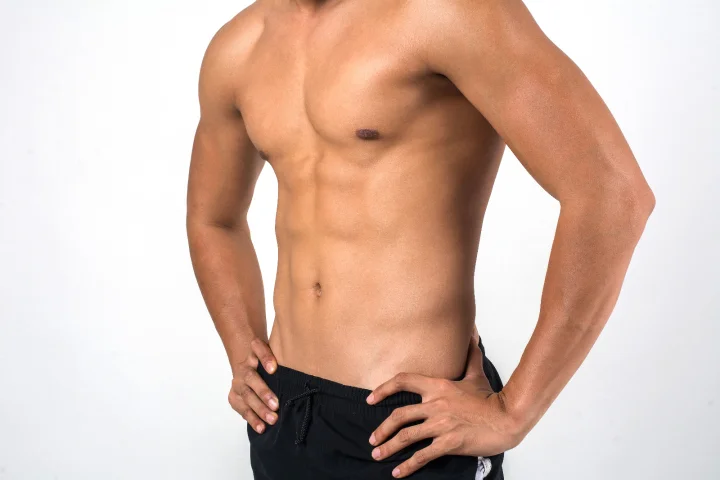
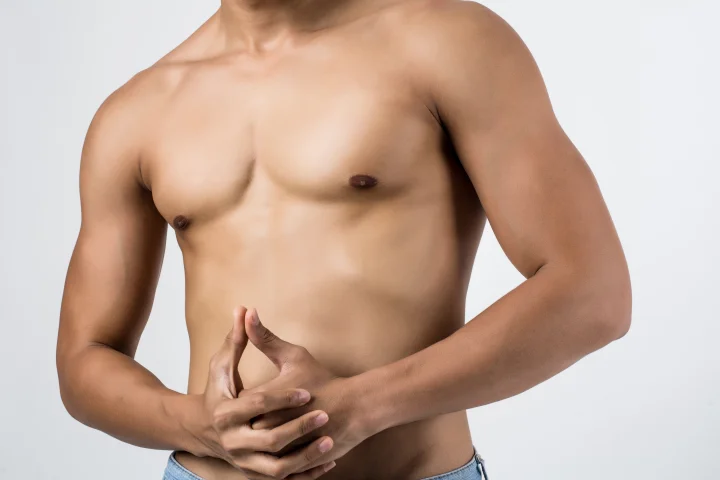
Liposuction can be particularly effective for people who exercise, have good muscle mass, and have well-defined muscle lines. This is because the muscles are already there; they are simply hidden beneath a thin layer of fat.
In these patients, I work by following the natural lines of the muscles while removing fat. My aim is to reveal the natural contours of your abdominal muscles, waist, hips, and arms more clearly. In other words, rather than creating an entirely new shape from scratch, we make the shape that already exists more visible. For people who have been exercising regularly for months but cannot get rid of that final layer of fat, this can be a solution that truly makes a difference.
Who Is Not a Suitable Candidate for Liposuction?
- People who want to lose weight: If weight loss is the goal, lifestyle changes should come first, along with support from a qualified doctor when necessary.
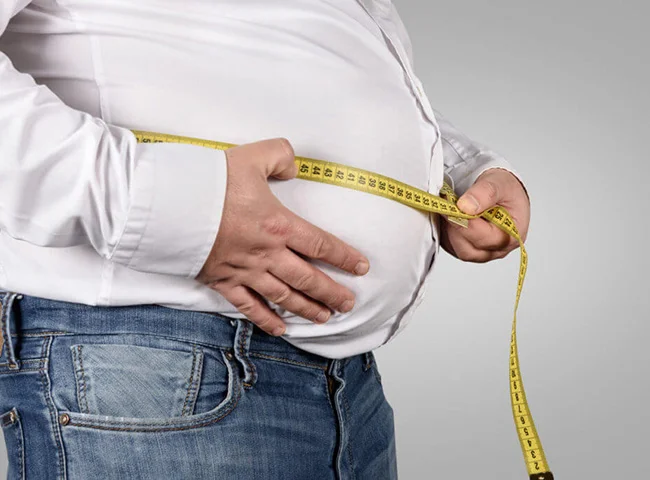
- People who are significantly overweight: There is a limit to the amount of fat that can be safely removed.
- People with noticeably loose skin: Removing fat may make sagging more pronounced.
- People with unrealistic expectations: Liposuction is not a miracle procedure, and having realistic expectations is very important.
People with Excessive Visceral Fat
Not everyone with a large abdomen has a problem caused by fat beneath the skin. In some people, fat accumulates beneath the abdominal wall, between and around the internal organs. This is known as visceral fat.
Liposuction can only remove fat located just beneath the skin. It cannot reach the fat inside the abdominal cavity. Therefore, in someone with excessive visceral fat, the abdomen will not become flat regardless of how much subcutaneous fat is removed. The abdomen may remain firm, full, and protruding. As a result, the patient may not achieve the outcome they expected from surgery.
Visceral fat is not just a cosmetic concern. It can also increase health risks such as diabetes, high blood pressure, and heart disease. In such cases, the priority should be to lose weight and reduce this fat through dietary changes, exercise, and, when necessary, support from doctors in relevant specialties. Once visceral fat has decreased, liposuction can be discussed again to address any remaining stubborn areas of localized fat.
During an examination, we can assess whether the size of your abdomen is caused by subcutaneous fat or visceral fat. This distinction is very important when making the right surgical decision.
Are the Results Permanent?
The fat cells that are removed do not return. However, the remaining fat cells in your body can enlarge again if you gain weight. Therefore, it is important to continue eating a balanced diet and staying physically active after surgery. Liposuction does not replace your lifestyle; it enhances the results of it.
If You Are Considering Liposuction in Adana
Before making a decision, make sure to have an in-person consultation with a plastic surgeon. Your weight, skin quality, muscle structure, and expectations should all be evaluated together. Sometimes liposuction is the right answer, while in other cases another method may be more appropriate first. Both can be the right answer; what matters is choosing the option that suits you.
Dr. Gökçen Oran, Plastic Surgeon, Adana
Liposuction in Adana and Surrounding Provinces
People considering liposuction in Adana should have their body structure, localized fat deposits, skin elasticity, and expectations evaluated together during the consultation process. Patients from nearby provinces such as Mersin, Hatay, Osmaniye, and Kahramanmaraş can also receive a personalized assessment from a plastic surgeon before undergoing liposuction.
Liposuction is not a weight-loss method that produces the same results for everyone. The suitability of the procedure, the areas to be treated, and alternative treatment options should be determined during an examination.