Under-Eye Bags: Causes, How Effective Are Creams and Devices, and When Is Surgery Necessary?
What Are Under-Eye Bags?
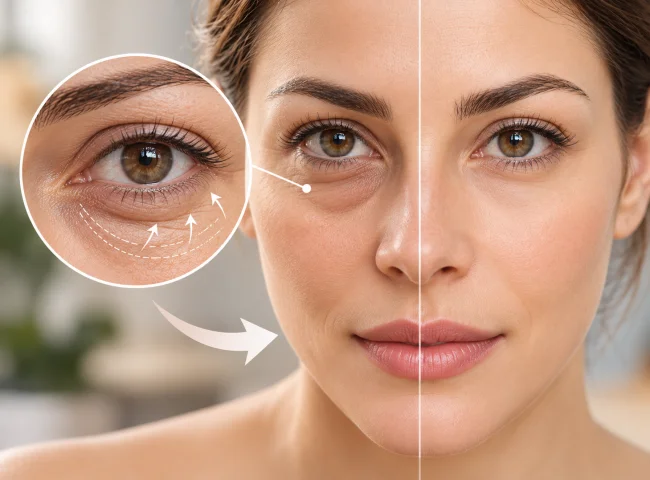
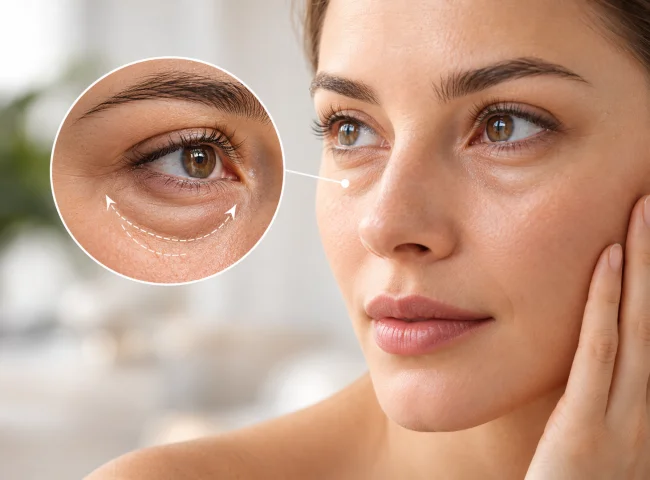
Under-eye bags occur when the fat pads around the eyes protrude forward. This is a structural condition caused by the displacement of fat tissue rather than fluid accumulation.
Are Under-Eye Bags the Same as Puffiness?
No. Swelling caused by fluid accumulation, known as edema, is different from under-eye bags. Edema can develop due to lack of sleep, a high-salt diet, allergies, eye rubbing, or certain thyroid conditions. It is often more noticeable in the morning.
However, under-eye bags and edema can occur together. If you are prone to fluid retention, existing bags may appear more swollen. Distinguishing between fat-related bags, edema, or a combination of both is important when planning treatment.
What Causes Under-Eye Bags?
A thin layer of connective tissue called the orbital septum helps keep the fat pads around the eyes in place. Over time, this tissue may weaken, allowing the fat to protrude forward. The main causes of under-eye bags include:
- Aging and loosening of the skin and supporting tissues.
- Genetic predisposition; under-eye bags can also occur at a young age.
Factors such as lack of sleep, salt consumption, allergies, and eye rubbing may contribute to edema. They do not directly cause fat herniation, but they can make existing under-eye bags more noticeable.
Do Under-Eye Creams Work?
The short answer is that some under-eye creams can help with specific concerns, but they cannot eliminate protruding fat pads.
Caffeine-Based Products
Caffeine-containing products may temporarily constrict blood vessels and help reduce mild puffiness for a short time. This can make under-eye bags appear less prominent, but it does not reduce the underlying fat tissue.
Retinol and Retinoids
With consistent, long-term use, retinol and retinoids may support skin quality and improve the appearance of fine lines.
Vitamin C, Niacinamide and Similar Ingredients
Vitamin C, niacinamide, and similar ingredients may help improve the appearance of dark circles associated with pigmentation.
Hyaluronic Acid and Moisturizers
Hyaluronic acid products and moisturizers can improve skin hydration and help the under-eye area look smoother.
Creams primarily act on the surface and upper layers of the skin. Protruding fat pads are a structural issue, and no cream can reposition this tissue. The skin around the eyes is also very delicate, so products such as retinoids should be introduced gradually and used with care.
How Effective Are Energy-Based Device Treatments?
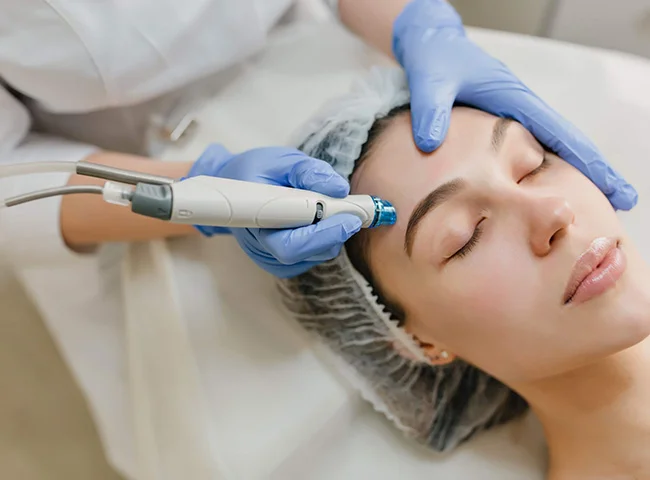
Radiofrequency, fractional lasers, ultrasound-based systems, and microneedling are among the methods designed to stimulate collagen production in the dermis.
When Can These Treatments Be Effective?
- Improving the appearance of fine wrinkles.
- Enhancing skin quality and texture.
- Addressing mild skin laxity.
- Improving the appearance of thin, crepey under-eye skin.
When Are Their Effects Limited?
Device-based treatments have limited effectiveness for prominent fat herniation and deep hollows. They may help tighten the skin, but they cannot remove protruding fat pads.
Results generally develop gradually, several sessions may be required, and the effects may not be permanent. These treatments may be reasonable options for mild cases or patients who prefer to avoid surgery. However, expectations should be realistic.
Surgical Treatment for Under-Eye Bags: Lower Blepharoplasty
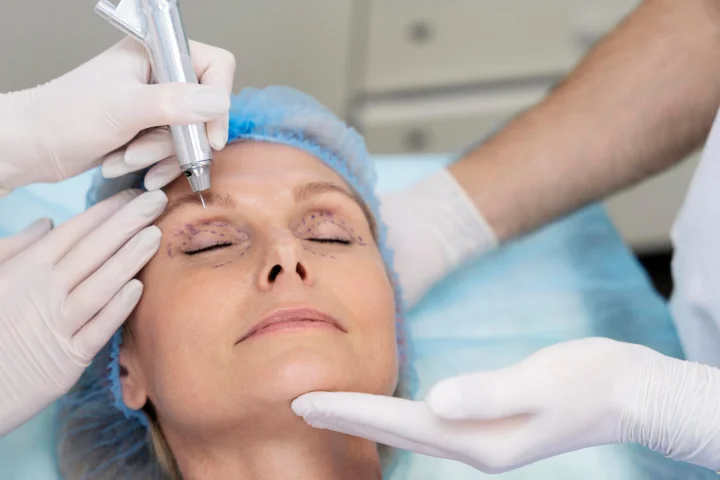
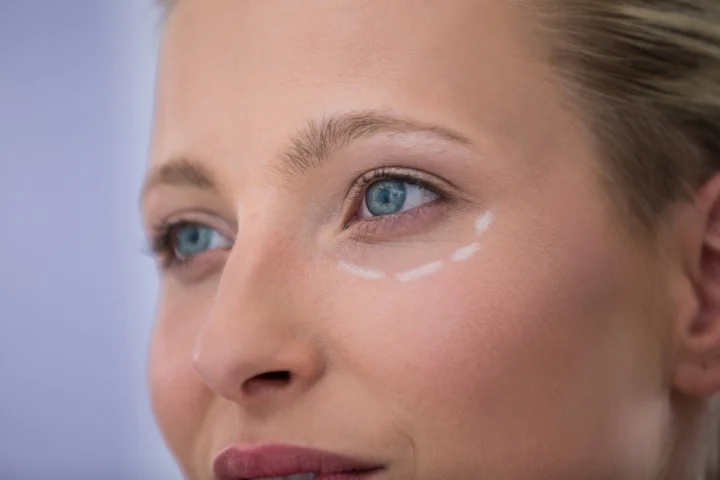
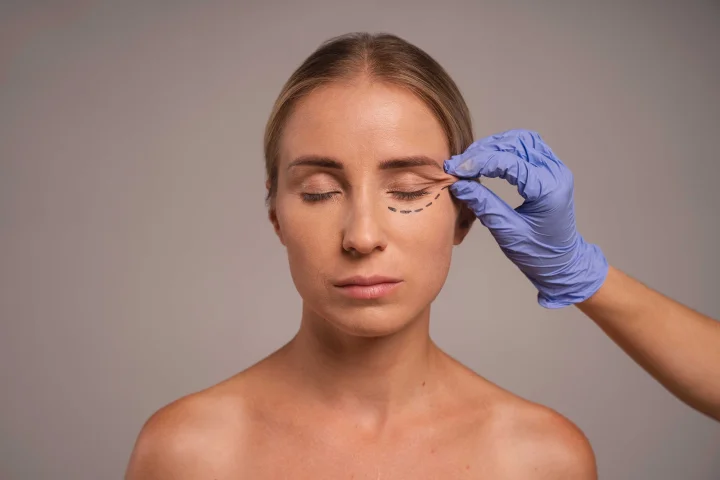
For prominent under-eye bags, surgery can be an effective option for removing or repositioning the protruding fat tissue. Lower blepharoplasty, also known as lower eyelid surgery, can be performed using different surgical approaches depending on the patient's skin condition and individual needs.
Transconjunctival Blepharoplasty
In this technique, the incision is made on the inside of the lower eyelid, so there is no externally visible incision scar. The fat pads can be removed or repositioned into the hollow area beneath the eyes. This approach is generally considered for patients with minimal excess skin.
Transcutaneous Blepharoplasty
A fine incision is made just below the eyelashes to remove excess skin and fat. This approach may be preferred when under-eye bags are accompanied by sagging skin.
Why Is the Midface Important When Treating Under-Eye Bags?
The appearance of the under-eye area is not determined by the eyes alone. The midface, particularly the area between the lower eyelids and cheeks, provides an important foundation for the under-eye region.
With age, cheek fat may become thinner and descend, while the facial bones may undergo a degree of volume loss. These changes reduce support in the area. When midface volume decreases, the under-eye fat pads may appear more prominent, and the transition between the bags and the hollows may become deeper.
For this reason, the midface should also be assessed when planning under-eye surgery. If there is significant volume loss, the surgical plan may be combined with midface support using fat transfer or dermal fillers. Removing fat without addressing the surrounding support may deepen the hollow. A comprehensive approach may help achieve a more natural and longer-lasting result.
Under-Eye Bag Surgery: Risks and Recovery
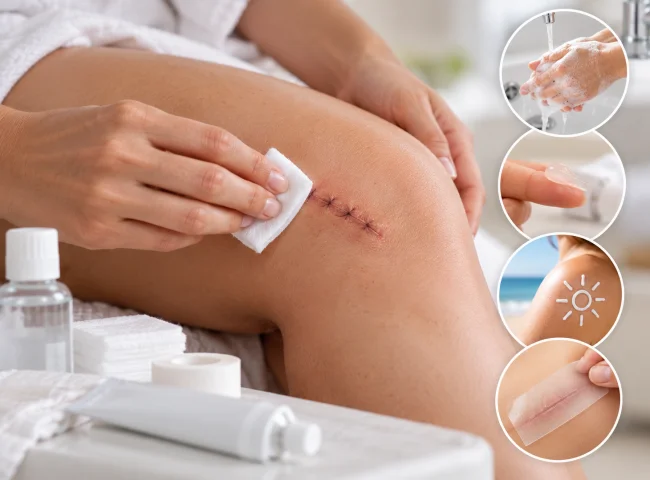
Like any surgical procedure, lower blepharoplasty carries certain risks. Temporary swelling and bruising may occur after surgery and generally decrease within one to two weeks. Other possible complications include dry-eye symptoms and, less commonly, asymmetry or lower eyelid sagging.
It is therefore important that the procedure is performed by an experienced plastic surgeon and that the surgical plan is tailored to the patient's individual needs.
Which Treatment Is Right for My Under-Eye Bags?
Swelling That Is More Noticeable in the Morning and Decreases During the Day
This pattern may be associated with fluid retention. Possible contributing factors, including sleep habits, salt intake, and allergies, should be assessed. In appropriate cases, applying a cold compress may help reduce puffiness.
Dark Circles and Fine Lines
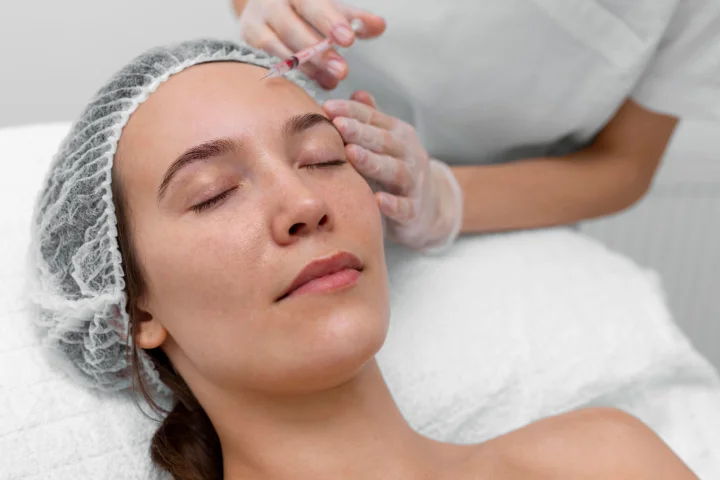
Skincare products, certain device-based treatments, or procedures such as mesotherapy may be considered for suitable patients. Treatment selection depends on the underlying cause and the individual's skin characteristics.
Under-Eye Hollows and Mild Volume Loss
For under-eye hollows and mild volume loss, dermal fillers or fat transfer may be considered in suitable patients. The aim is to create a smoother, more balanced transition between the under-eye area and the cheeks.
Prominent Fat Herniation and Under-Eye Bags
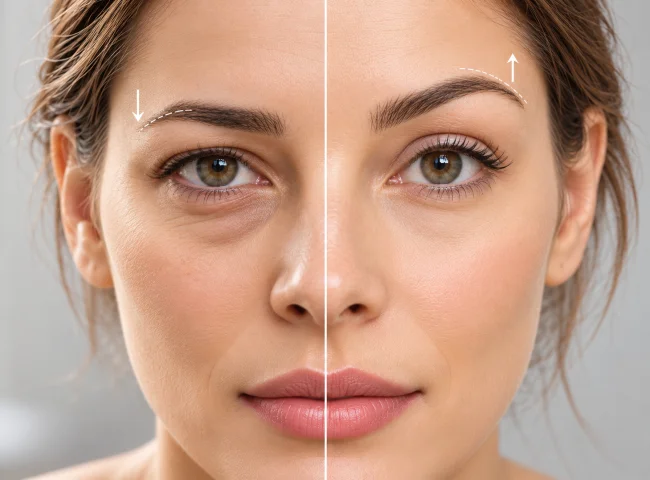
If prominent under-eye bags are caused by protruding fat pads, lower blepharoplasty may be considered. When necessary, midface support can also be incorporated into the treatment plan.
The appropriate treatment is determined through an examination that evaluates the eye area, midface, and skin together. Not every method is suitable for every patient.
Frequently Asked Questions About Under-Eye Bags
Do under-eye bags go away on their own?
Under-eye bags caused by protruding fat pads generally do not disappear on their own. Edema, however, may decrease or resolve. When the swelling subsides, the bags may become less noticeable, but the underlying fat herniation remains.
Can under-eye bags return after surgery?
Fat tissue that has been removed or repositioned during surgery does not return in exactly the same way. However, the aging process continues, and the appearance of the eye area may change over time.
When should I see a doctor about under-eye swelling?
Medical evaluation is recommended if the swelling continues to increase, affects only one side, or is accompanied by pain, redness, or changes in vision.
Under-Eye Bag Treatment in Adana and Surrounding Provinces
For patients seeking information about under-eye bag treatment in Adana, the first step is to identify the underlying cause of the swelling or protrusion. Fat herniation, edema, skin laxity, and under-eye hollows are different concerns, and each may require a different approach.
In addition to Adana, patients from surrounding provinces such as Mersin, Hatay, Osmaniye, and Kahramanmaraş can also seek an evaluation for under-eye bags and lower eyelid surgery. During the consultation, the eye area, midface, and skin are assessed together to determine the most appropriate treatment options for each patient.
Conclusion
The most important step in treating under-eye bags is identifying their underlying cause. Creams and energy-based devices may help with certain skin concerns, while surgery may be considered for prominent fat herniation. Evaluating midface support when planning lower blepharoplasty may also help achieve more natural-looking results.
If you are concerned about under-eye bags, an examination of your eye area and midface can help determine which treatment options may be appropriate for you.
Click here to contact us and request an appointment.
This article is intended for general informational purposes. A medical examination is necessary to establish an individual diagnosis and treatment plan.