Possible Risks and Side Effects of Botox: A Scientific Review
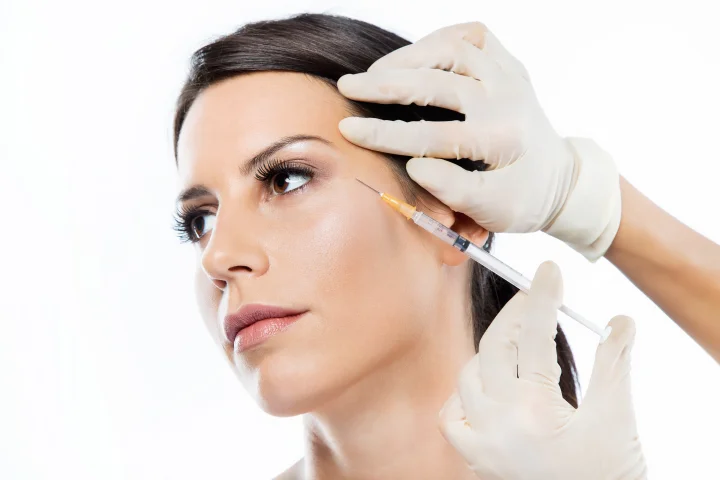
Botulinum toxin type A (Botox) is a treatment that has been used for many years in both aesthetic and medical applications, with its efficacy and safety supported by numerous scientific studies. In addition to reducing dynamic wrinkles, it is widely used in the treatment of migraine, excessive sweating (hyperhidrosis), teeth grinding (bruxism), cervical dystonia, and various neuromuscular disorders.
As with any medical treatment, botulinum toxin injections may be associated with potential side effects and complications. Most reported side effects are mild, temporary, and tend to resolve spontaneously. Less common complications may occur depending on the treatment area, the dose administered, the medical indication, and individual patient characteristics.
This article summarizes the potential risks associated with Botox treatments based on current scientific evidence.
Common Temporary Side Effects
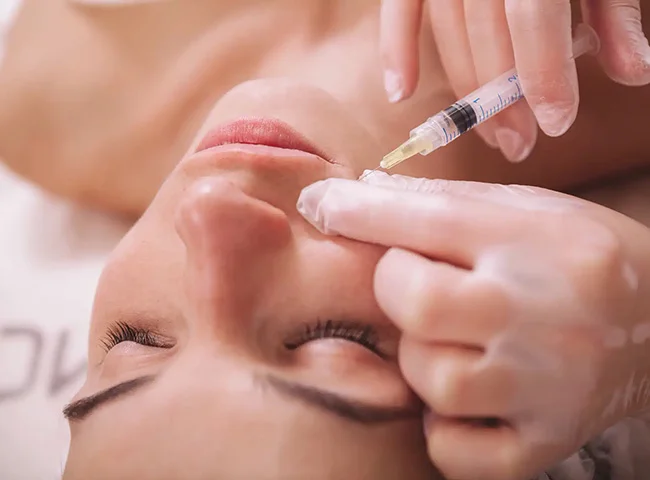
Due to the injection procedure itself, mild pain, tenderness, redness, swelling, or bruising may occur at the injection site. Some patients may also experience a mild headache within the first 24–48 hours after treatment. These symptoms usually resolve spontaneously within a short period and do not require additional treatment.
Temporary Changes Related to Muscle Function
Botulinum toxin works by temporarily reducing the contraction of the targeted muscle. Therefore, depending on the treated area, temporary changes in muscle function beyond the intended therapeutic effect may occur.
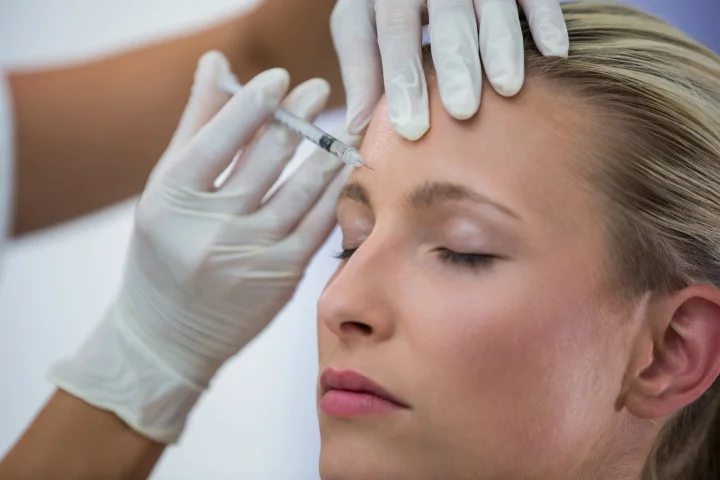
Following forehead and eyebrow treatments, some patients may experience changes in eyebrow position, eyebrow drooping, or temporary upper eyelid drooping (ptosis). This may occur due to the temporary effect of the toxin on adjacent muscle groups.
Additionally, depending on the degree of muscle involvement in different areas of the face, temporary facial asymmetry, reduced facial expressions, or changes in certain facial movements may occur. When necessary, follow-up evaluations can be performed, and corrective treatments may be planned if appropriate.
All of these changes are related to the pharmacological action of botulinum toxin and are not permanent. As the effect of the toxin gradually diminishes, muscle function returns to normal, and these findings generally resolve completely within a few weeks to a few months.
Effects Around the Eyes
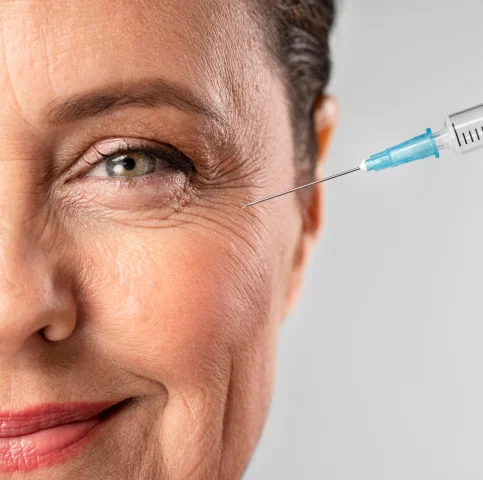
Following periorbital treatments, some patients may experience temporary dry eyes, excessive tearing, blurred vision, or, rarely, double vision.
These effects are usually temporary and improve as the effect of botulinum toxin decreases.
Effects Associated with Mouth and Jaw Treatments
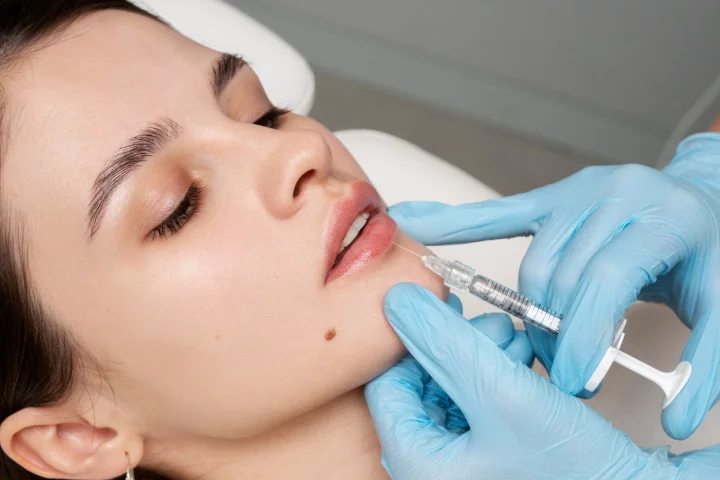
Following injections around the lips, temporary changes in lip movements may occur. Some individuals may experience short-term difficulty using a straw, whistling, or pronouncing certain sounds.
After masseter (jaw muscle) injections, temporary difficulty chewing hard foods or reduced chewing strength may occur. In some patients, repeated long-term treatments may lead to a reduction in the volume of the chewing muscle. In certain medical conditions or specific clinical indications, higher doses of botulinum toxin may be required, and this should be evaluated together with the expected treatment profile.
Effects Associated with Neck Treatments
Following botulinum toxin injections into the neck muscles, some patients may experience temporary neck weakness, changes in voice, or difficulty swallowing.
These effects are reported more frequently in medical indications such as cervical dystonia, where larger muscle groups are treated and higher doses may be required.
Systemic Effects
Systemic effects resulting from the spread of botulinum toxin beyond the treatment area are extremely rare. The medical literature has reported cases of generalized muscle weakness, difficulty swallowing, speech difficulties, or involvement of the respiratory muscles. These complications have mainly been described in neurological indications requiring high total doses and are considered very uncommon in aesthetic treatments.
If such symptoms develop, the patient should seek immediate medical evaluation.
Allergic Reactions
Allergic reactions to botulinum toxin are very rare. Symptoms may include skin rash, itching, or swelling of the face or lips. In extremely rare cases, severe hypersensitivity reactions have been reported and require immediate medical attention.
Infection
The risk of infection following Botox treatment is low. If an infection develops, pain, redness, warmth, or discharge at the injection site may occur, and appropriate medical treatment should be initiated.
Long-Term Effects
Repeated botulinum toxin treatments may result in a reduction in the volume of the targeted muscle. This is a physiological response related to decreased muscle activity and is generally reversible.
In rare cases, the immune system may develop neutralizing antibodies against botulinum toxin. This may reduce the effectiveness of treatment or lead to insufficient response in future sessions. This phenomenon has been reported more frequently in medical indications requiring high cumulative doses and short treatment intervals.
Who Should Not Receive Botox?
Botulinum toxin is generally not recommended in the following situations:
- Known hypersensitivity to botulinum toxin or any component of the product
- Active infection at the planned injection site
- Neuromuscular disorders affecting nerve-muscle transmission, such as myasthenia gravis or Lambert-Eaton syndrome
- Pregnancy and breastfeeding, unless the physician determines that treatment is appropriate due to the lack of sufficient safety data
Patients should also inform their physician about all medications they are taking and any existing systemic medical conditions before treatment.
Conclusion
When performed for appropriate indications, botulinum toxin treatments have a well-established safety profile. Most reported side effects are mild, temporary, and resolve spontaneously. Less common complications may occur depending on the treatment area, the total dose administered, the treatment indication, and individual patient characteristics.
Just as the effects of Botox are temporary, most complications related to its pharmacological action are also temporary and improve as the toxin's effect gradually wears off. Before treatment, discussing the potential benefits, limitations, and risks with a qualified physician, ensuring that patients are well informed, and establishing realistic expectations are essential for a safe and successful treatment process.