Will There Be Scarring After Cosmetic Surgery?
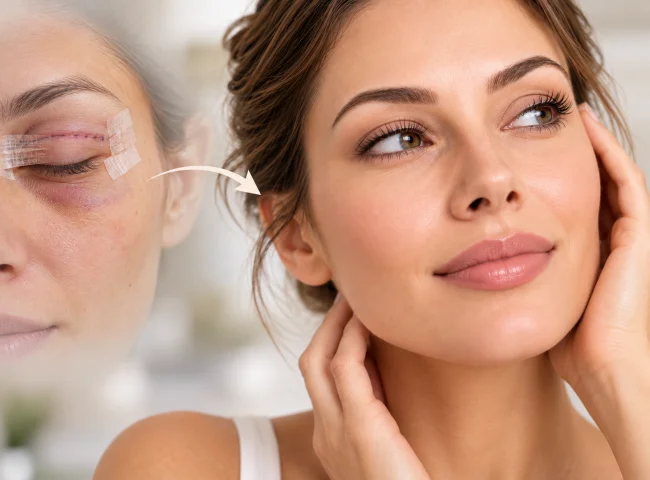
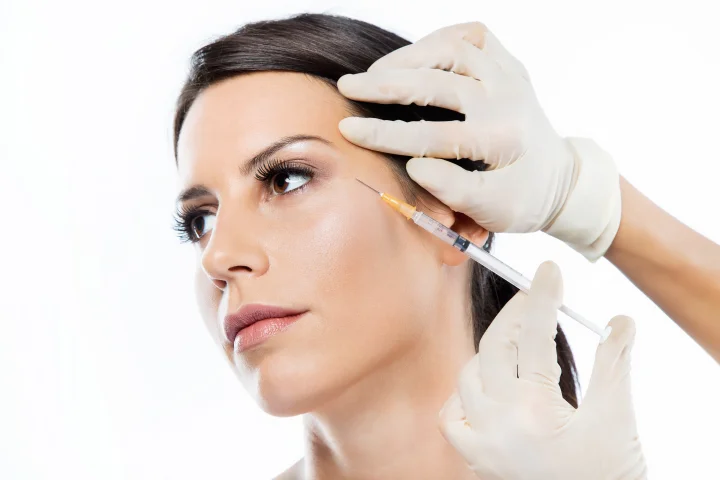
Will there be scarring after cosmetic surgery in Adana? One of the most common concerns of people considering cosmetic surgery is whether there will be scars after the procedure and how noticeable those scars will be. Surgical procedures that involve an incision in the skin may naturally result in some degree of scarring. However, many factors such as surgical technique, the location of the incision, the individual's skin structure, and postoperative care can affect the appearance of the surgical scar.
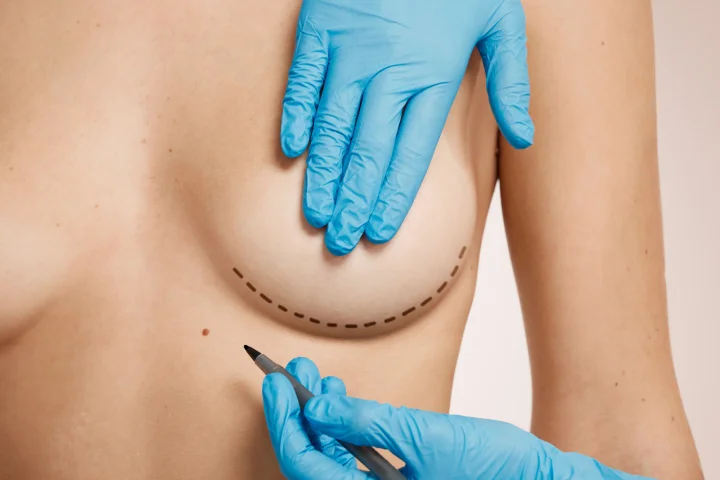
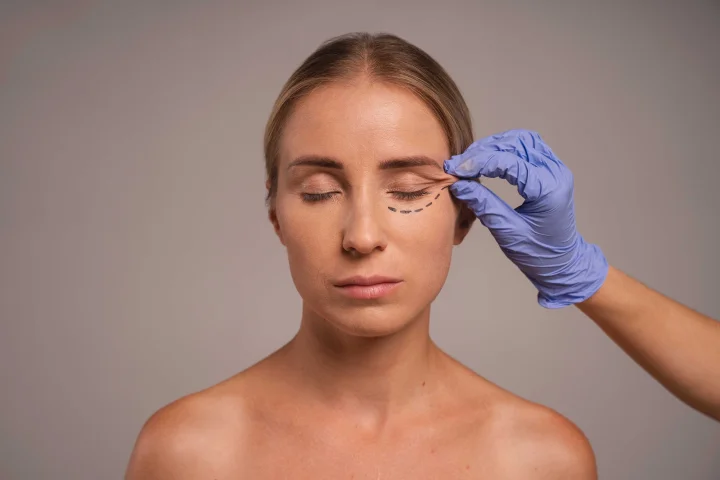
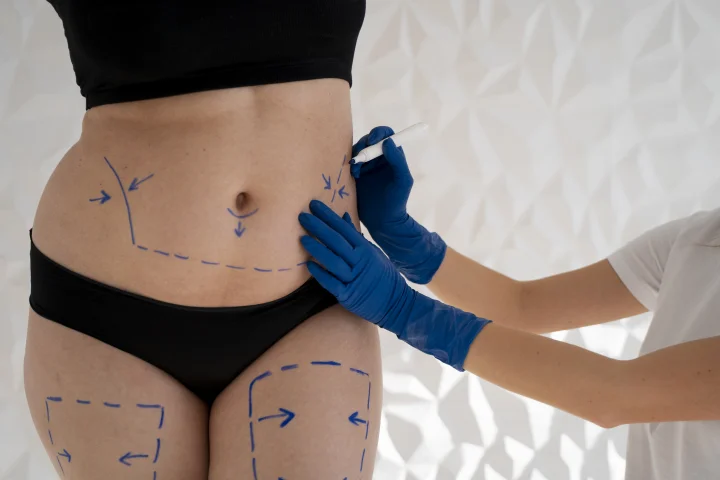
In cosmetic surgery procedures performed in Adana, the goal is to place surgical incisions within natural skin folds or less visible areas whenever possible and to ensure that the scar becomes as inconspicuous as possible through appropriate wound care.
How Does the Body Heal Surgical Wounds?
When an incision occurs in the skin, the body initiates a natural wound healing process to repair the damaged tissue. Various cellular mechanisms, including collagen production, play an important role during this process.
New tissue forms during wound healing, and collagen fibers gradually reorganize over time. Therefore, the appearance of a surgical scar during the first weeks and months may not provide a definitive indication of its final appearance.
Scar maturation can take several months. In some individuals, the scar may continue to mature in terms of color, firmness, and overall appearance for two years or longer. This process varies depending on the individual's skin structure, the surgical site, and their wound healing characteristics.
Why Does a Surgical Scar Look Red and Noticeable?
During the early stages of wound healing, the ongoing tissue repair process and the formation of new blood vessels may cause the surgical scar to appear red or pink. The scar tissue may also initially feel firm or raised.
As the healing process progresses, the scar tissue undergoes remodeling, and many scars gradually become flatter, softer, and less noticeable.
However, wound healing may progress differently in some individuals. In such cases, more prominent scars such as hypertrophic scars or keloids may develop.
What Is a Hypertrophic Scar?
A hypertrophic scar is a raised scar that develops as a result of excessive scar tissue formation during the wound healing process. It generally remains within the boundaries of the original incision or wound.
A hypertrophic scar may:
- Appear red or pink
- Have a firm and raised texture
- Remain within the boundaries of the incision
- Become flatter and softer over time
The appearance and healing process of a hypertrophic scar may vary from person to person.
What Is a Keloid?
A keloid is a type of scar that develops when scar tissue grows beyond the original boundaries of a wound and extends into the surrounding healthy skin.
Keloids may appear raised and firm and may be associated with redness or darker pigmentation, itching, and tenderness. Genetic predisposition is an important factor in the development of keloids.
People who have previously developed a keloid or have a family history of keloids should inform their doctor before undergoing surgery. Certain areas, such as the earlobes, chest, and shoulders, may have a higher risk of keloid formation.
What Affects the Appearance of a Surgical Scar?
In Adana cosmetic surgery procedures, the appearance of a surgical scar is not determined solely by the surgical technique. Genetic characteristics, skin structure, the location of the surgery, and postoperative wound care can also affect the appearance of the scar.
Surgical Technique and Suturing
Proper planning of the surgical incision, minimizing tissue trauma, and closing the wound using an appropriate technique can all play an important role in the appearance of the resulting scar.
In cosmetic surgery, placing the incision within natural skin folds or less visible areas whenever possible can help reduce the visibility of the scar.
Genetic Factors and Skin Structure
Everyone's wound healing process is different. Genetic characteristics, skin structure, and an individual's response to wound healing can affect the formation and appearance of a postoperative scar.
In particular, individuals who have previously developed hypertrophic scars or keloids should have this history evaluated before undergoing surgery.
Postoperative Wound Care
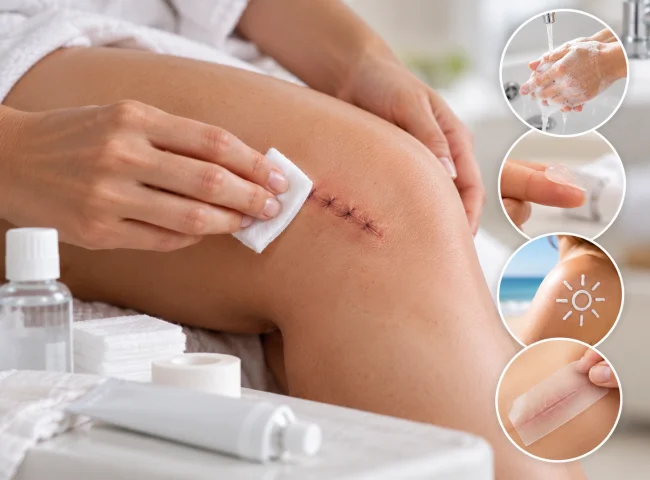
Protecting the wound area according to the doctor's recommendations after surgery is important for preventing complications such as infection and wound separation.
The products and methods used for wound care may vary depending on the type of surgery and the individual's healing process.
How Can a Surgical Scar Be Made Less Noticeable?
After procedures performed as part of Adana cosmetic surgery, methods that may help reduce the appearance of scars can vary depending on the condition of the wound and the type of surgical procedure performed.
Protecting the Scar from the Sun
Newly formed scars may be more sensitive to sunlight. Exposure to sunlight can cause the scar to become darker and more noticeable in some individuals.
For this reason, it is important to protect the scar from sunlight during the healing period, keep the scar covered whenever possible, and use sunscreen recommended by your doctor once the wound has completely healed.
Use of Silicone Gel and Silicone Sheets
Silicone gels and silicone sheets are among the options used for the care of prominent or raised scars. They may help make some scars flatter and less noticeable.
Silicone-based products should not be applied to open or incompletely healed wounds. The timing, duration, and method of use should be determined according to your doctor's recommendations.
Avoiding Smoking
Smoking and nicotine use can negatively affect wound healing. Therefore, it is important to follow your doctor's recommendations regarding stopping or reducing smoking before and after surgery.
Scar Massage
After some surgical procedures, scar massage may be recommended once the wound has completely closed and the doctor considers it appropriate.
The appropriate time to begin scar massage and the way it should be performed vary depending on the type of surgery. Therefore, the scar should not be massaged without your doctor's approval.
When Does a Cosmetic Surgery Scar Fade?
One of the questions frequently asked by people considering cosmetic surgery in Adana is when the surgical scar will fade. Scar maturation takes time. A scar that appears red, dark, firm, or raised during the early stages may gradually become softer and less noticeable over the following months.
The maturation period of a scar varies depending on the individual, the surgical site, the surgical technique, and the person's wound healing characteristics.
Therefore, it is not appropriate to assume that a scar will remain permanent based solely on its appearance shortly after surgery.
When Should You See a Doctor About a Surgical Scar?
If increasing redness, swelling, pain, warmth, discharge, or wound opening develops in the surgical area after the procedure, you should contact your doctor.
In addition, if the scar continues to grow, becomes significantly raised, becomes itchy, or extends beyond the original incision line, it may need to be evaluated for a hypertrophic scar or keloid.
Frequently Asked Questions
Will there always be a scar after cosmetic surgery in Adana?
Surgical procedures that involve an incision in the skin may naturally result in some degree of scarring. However, the visibility of the scar varies from person to person and may decrease over time.
Will a surgical scar disappear completely?
A scar may not always disappear completely. However, appropriate surgical techniques and proper wound care may help make the scar less noticeable.
When will a surgical scar become less noticeable?
Scar maturation can take several months and, in some individuals, may continue for two years or longer. Changes in the appearance of a scar vary from person to person.
What is the difference between a keloid and a normal surgical scar?
A normal scar generally heals along the incision line, whereas a keloid can extend beyond the original boundaries of the wound and continue to grow.
Does silicone gel remove surgical scars?
Silicone-based products may help some scars become flatter, softer, and less noticeable. However, they should be used only on fully healed skin and according to your doctor's recommendations.
When can scar massage be started?
The appropriate time to start scar massage varies depending on the type of surgery and the healing condition of the wound. Massage should not be performed before the wound has completely healed, and your surgeon's approval should be obtained before starting.
Conclusion
Scarring after cosmetic surgery in Adana is a natural result of the skin's wound healing process. However, the visibility of a scar varies from person to person and can be affected by factors such as surgical technique, incision location, genetic characteristics, skin structure, and postoperative care.
The goal of modern cosmetic surgery is to place surgical incisions in appropriate locations whenever possible and to manage the wound healing process properly so that the surgical scar is as inconspicuous as possible.
For detailed information about cosmetic surgery in Adana, postoperative scars, and the wound healing process, to receive a personalized evaluation, or to schedule an appointment, please contact us through our contact page.