What to Expect After Eyelid Surgery? A Step-by-Step Recovery Guide
Eyelid surgery (blepharoplasty) is one of the most effective surgical procedures for achieving a fresher, more rested and youthful appearance around the eyes. Just as important as deciding to undergo surgery is managing the recovery process after eyelid surgery correctly, as this can directly affect both the comfort of the patient and the quality of the final result.
Swelling, bruising and sensitivity around the eyes may occur after surgery and are generally temporary. Although the recovery process varies from person to person, it can be followed through several general stages.
In this guide, we explain the recovery process after eyelid surgery step by step, from the first hours after surgery through the following weeks.
The First Hours After Eyelid Surgery
After the procedure, it is normal to experience mild heaviness, tightness or sensitivity around the eyes. Protective tapes may also be placed on the eyelids.
Vision is not normally lost completely; however, temporary blurred vision may occur due to the use of eye ointments and swelling associated with surgery.
Cold Compress Application
A cold compress, applied according to your surgeon's instructions, may help control swelling and bruising around the eyes during the early recovery period.
Rest and Head Position
During the first day, it is recommended to rest as much as possible, reduce prolonged screen use that may strain the eyes, and keep your head slightly elevated while sleeping.
The recommended care methods and duration of rest may vary depending on the procedure and your surgeon's instructions.
The First Week After Eyelid Surgery
The first week is one of the most important periods of recovery after eyelid surgery. Swelling and bruising may be noticeable during this period and generally begin to decrease over time.
First 3 Days: The Period of Most Noticeable Swelling and Bruising
During the first 48–72 hours after surgery, swelling and bruising around the eyes may become more pronounced. In most patients, this is a natural part of the healing process.
Keeping your head elevated above your body while sleeping may help reduce swelling.
Dryness and Watery Eyes
Mild stinging, watery eyes or dryness may occur during recovery. Using lubricating eye drops recommended by your doctor may help improve eye comfort.
Days 4–7
As the first week progresses, bruising may gradually change from dark purple or blue to yellowish or greenish tones. These color changes are generally part of the normal healing process.
If non-dissolvable sutures were used, suture removal may generally be planned during the first week. The exact timing is determined according to your surgeon's examination.
The Second Week After Eyelid Surgery
By the second week, swelling and bruising usually begin to decrease significantly, making daily activities more comfortable.
Returning to Work and Social Activities
Although recovery varies from person to person, many patients may return to desk work and light social activities during the second week, provided their doctor approves.
Makeup Use
Once the incision has completely closed, makeup can be resumed with your doctor's approval. Cosmetic products should not be applied directly to the incision area during the early stages of healing.
Contact Lens Use
Contact lens use should also be resumed according to your doctor's recommendations. If eye sensitivity or dryness persists, you may need to postpone contact lens use.
Sun Protection
Protecting newly healing eyelid skin from sunlight is important. When outdoors, wearing UV-protective sunglasses and following your doctor's recommendations for sun protection can be beneficial.
One Month and Beyond After Eyelid Surgery
During the first month, most of the post-operative swelling begins to subside and the eyelid tissues gradually develop a more natural appearance.
Reduction of Swelling
The time required for residual swelling to completely disappear varies from person to person. It is important to allow sufficient time for the tissues to heal before evaluating the final appearance.
Exercise and Sports
Light activities such as walking may be resumed earlier according to your doctor's recommendations.
However, activities such as intense exercise, cardio, fitness, sauna, steam rooms and swimming should only be resumed when your surgeon considers it appropriate based on your individual recovery.
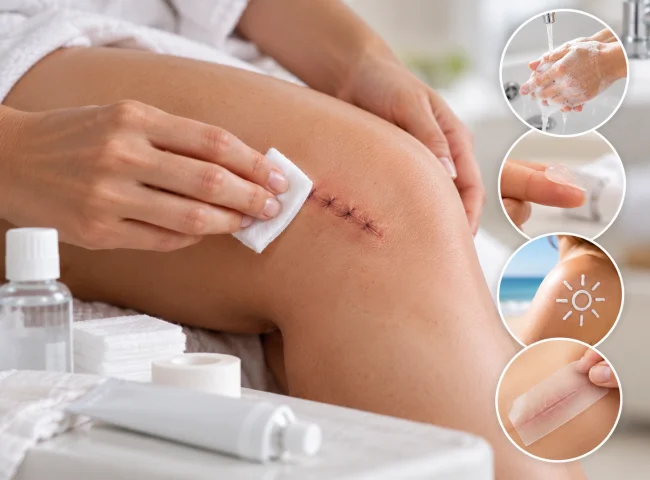
Healing of Surgical Scars
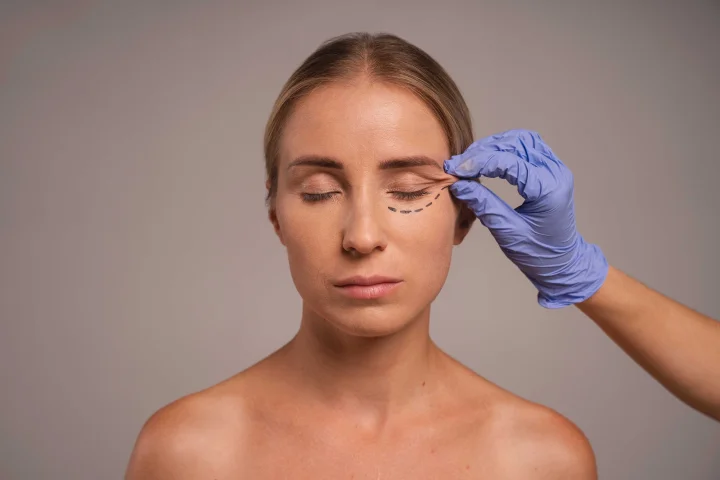
The eyelid skin generally heals very well due to its delicate structure. Incisions on the upper eyelid are usually placed within the natural eyelid crease, while lower eyelid incisions may be placed close to the lash line or, in suitable patients, inside the eyelid.
Incisions may initially appear pink or reddish but can gradually fade and become less noticeable as they mature.
5 Golden Rules to Follow After Eyelid Surgery
1. Do Not Rub Your Eyes
During the first few weeks, avoid rubbing your eyes, applying pressure to the eye area or making harsh contact with the healing tissues.
2. Follow Your Doctor's Medication Instructions
Antibiotic eye drops, lubricating drops or pain medication should be used only at the dose and frequency recommended by your doctor.
3. Avoid Excessive Heat
During the early healing period, hot showers, saunas and steam exposure may increase swelling. Follow your surgeon's recommendations regarding heat exposure.
4. Avoid Smoking
Smoking can negatively affect tissue oxygenation and may delay wound healing. Follow your doctor's recommendations regarding smoking before and after surgery.
5. Do Not Neglect Sun Protection
Protecting healing incision areas from direct sunlight may help reduce the risk of unwanted skin discoloration.
When Should You Contact Your Doctor After Eyelid Surgery?
Although serious complications after blepharoplasty are uncommon, you should contact your doctor without delay if certain symptoms occur during recovery.
- Severe eye pain that does not improve with medication or develops suddenly
- Sudden or significant deterioration in vision or loss of vision
- Heavy or foul-smelling discharge from the eye
- Severe, one-sided swelling that continues to increase
- Any symptom that your doctor considers outside the expected recovery process
If any of these symptoms occur, it is important to contact your doctor without delay.
Recovery After Eyelid Surgery in Adana
For patients researching eyelid surgery in Adana, understanding the recovery process is just as important as understanding the procedure itself. Recovery after blepharoplasty may vary depending on the individual patient, the surgical technique used, whether the upper or lower eyelids were treated, and the patient's individual healing characteristics.
For this reason, patients should prioritize the personalized post-operative care and follow-up instructions provided by their plastic surgeon rather than relying solely on general recommendations found online.
How Long Does Recovery Take After Eyelid Surgery?
Recovery after eyelid surgery cannot be defined by a single timeframe. While most swelling and bruising generally improve during the first few weeks, complete tissue healing and scar maturation may take longer.
During this period, patience, protecting the eye area from trauma and following your surgeon's instructions carefully are essential.
Conclusion: Patience Is Important After Eyelid Surgery
The recovery period after eyelid surgery is generally a controlled process when proper care and regular medical follow-up are maintained.
It may not be appropriate to evaluate the final result during the first few days because of swelling and bruising. As the swelling decreases, incision scars mature and the eyelid tissues settle into their natural position, the final result becomes more apparent.
If you are considering eyelid surgery in Adana and would like to learn more about the procedure and determine which surgical approach may be suitable for you, a personalized consultation with a qualified plastic surgeon is recommended.
Contact
For more information about eyelid surgery, blepharoplasty and the post-operative recovery process, you can contact Dr. Gökçen Oran.
Click here to learn more about eyelid surgery and get in touch.