What Is the Difference Between Botox and Dermal Fillers? Who Is Botox or Filler Suitable For?
Botox and dermal fillers are among the most commonly used non-surgical aesthetic treatments for reducing signs of facial aging and addressing certain aesthetic concerns. However, these two treatments are not the same and do not target the same problems.
Simply put: Botox reduces muscle activity, while dermal fillers restore or add volume.
Therefore, the answer to the question “Should I get Botox or fillers?” should not be determined solely by age. Instead, it should be based primarily on the cause of the change or concern in the face.
For some patients, Botox alone may be sufficient. For others, dermal fillers may be more appropriate. In certain cases, both treatments may be considered for different areas and purposes.
What Is the Main Difference Between Botox and Dermal Fillers?
The easiest way to understand the difference between Botox and dermal fillers is to look at what each treatment targets.
Botox
- Temporarily reduces muscle activity.
- Is primarily used for dynamic facial wrinkles.
- Targets muscle movement.
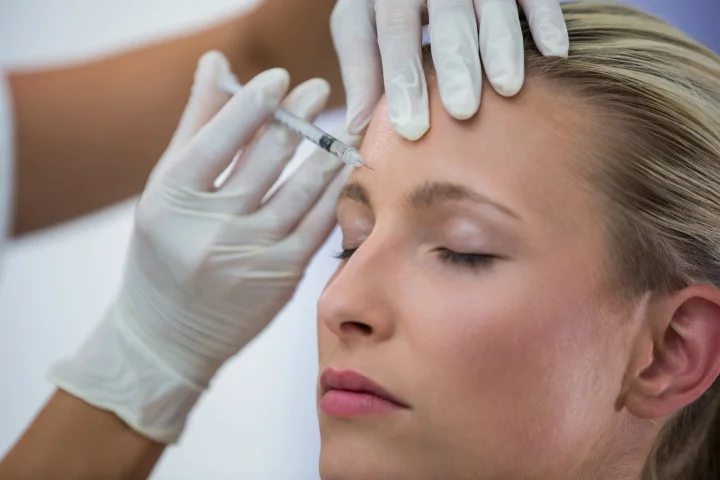
- May be used in areas such as the forehead, between the eyebrows and around the eyes.
Dermal Fillers
- Add volume to specific areas of the face.
- May be used for volume loss and certain contour concerns.
- Support subcutaneous and soft-tissue volume.
- May be used in areas such as the lips, cheeks and chin.
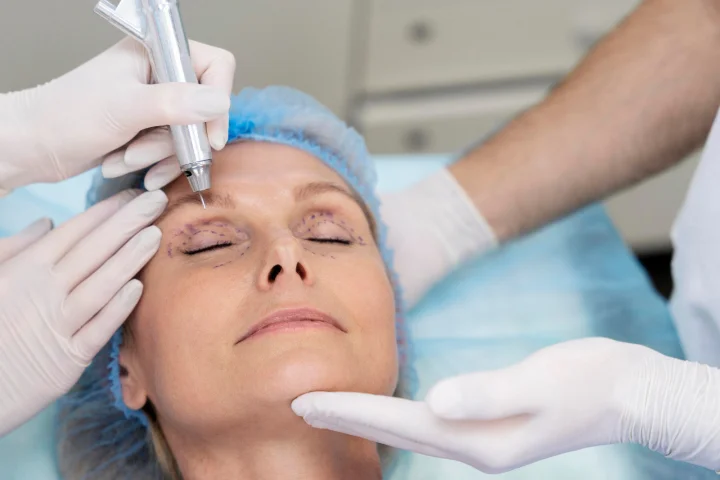
Botulinum toxin temporarily reduces nerve-muscle communication in targeted muscles, thereby reducing muscle activity. For this reason, it is particularly considered for lines that become more prominent with facial expressions.
Dermal fillers, on the other hand, create volume in the areas where they are injected and may help address volume loss or certain contour concerns.
What Is Botox?
Botox is a medication containing botulinum toxin that is used for cosmetic purposes. Certain facial muscles repeatedly contract when we make facial expressions. Over time, these movements may cause lines on the skin to become more noticeable.
Botox treatment temporarily reduces the activity of targeted muscles and may help soften the appearance of these lines.
For this reason, Botox is particularly considered for dynamic wrinkles, meaning lines that become more noticeable when making facial expressions.
Which Areas Can Be Treated With Botox?
Depending on the individual's facial anatomy and needs, the areas most commonly considered for Botox treatment include:
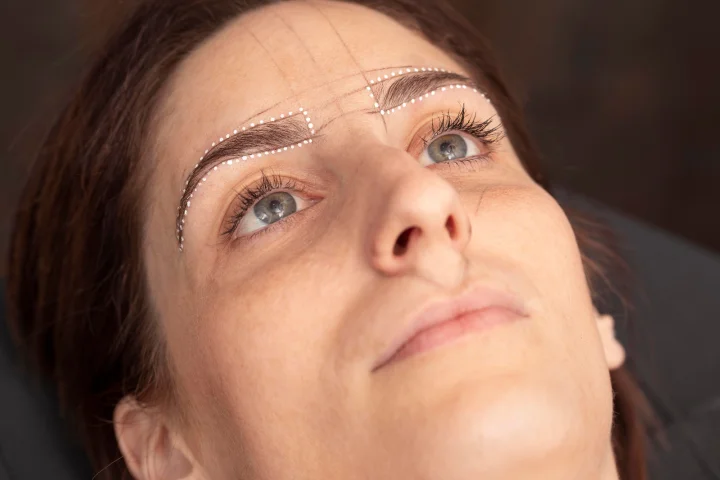
- Forehead lines
- Lines between the eyebrows
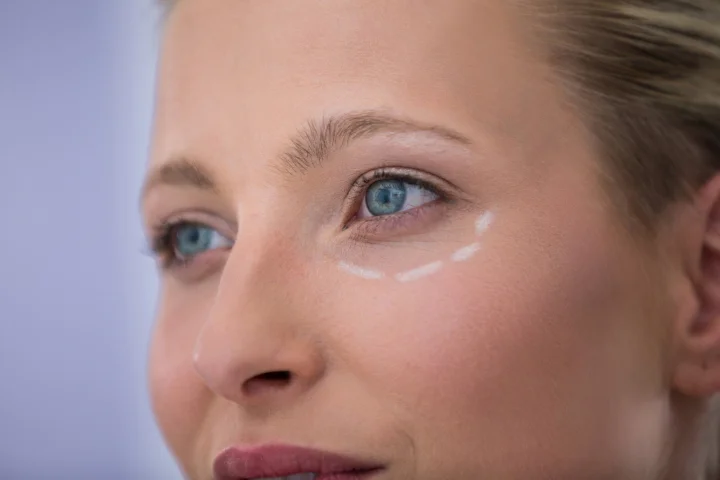
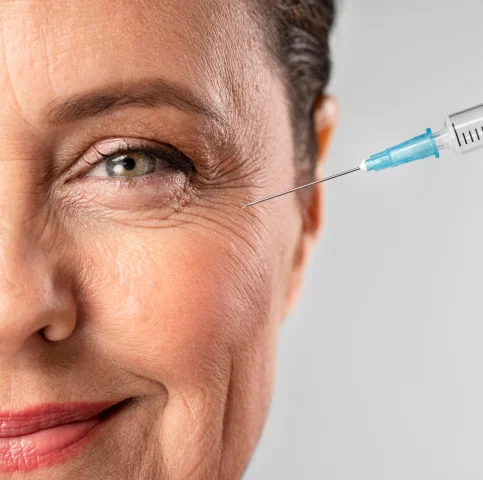
- Crow's feet around the eyes
Does Botox Make the Face Look Frozen?
When Botox is used in an appropriate patient, at an appropriate dose and in the correct muscles, the goal is not to completely eliminate facial expression.
The aim is to reduce the activity of specific muscles as needed and soften the appearance of wrinkles.
However, excessive amounts or injections in inappropriate locations may result in an undesirable facial expression or temporary asymmetry.
Therefore, in Botox treatment, it is important to evaluate not only the product being used but also the patient's facial anatomy and muscle movements.
What Are Dermal Fillers?
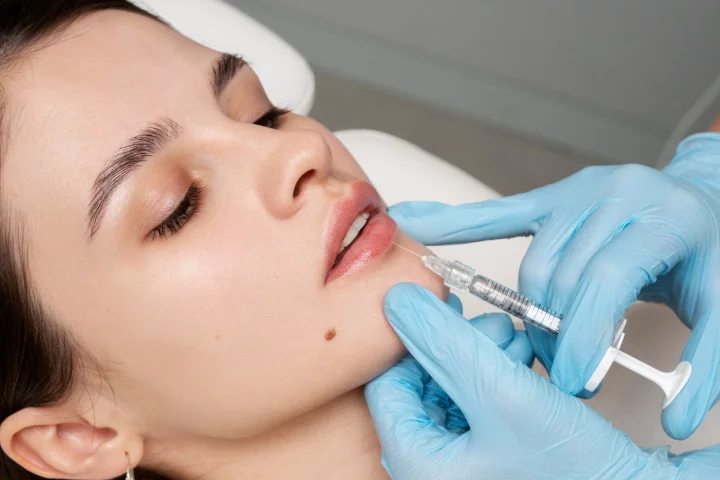
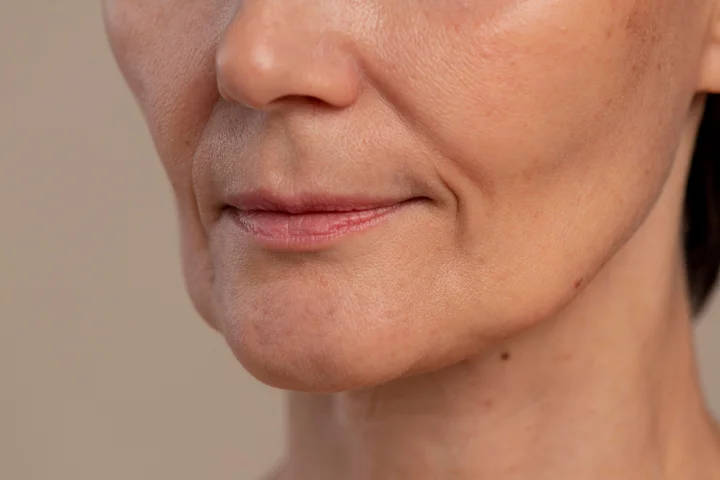
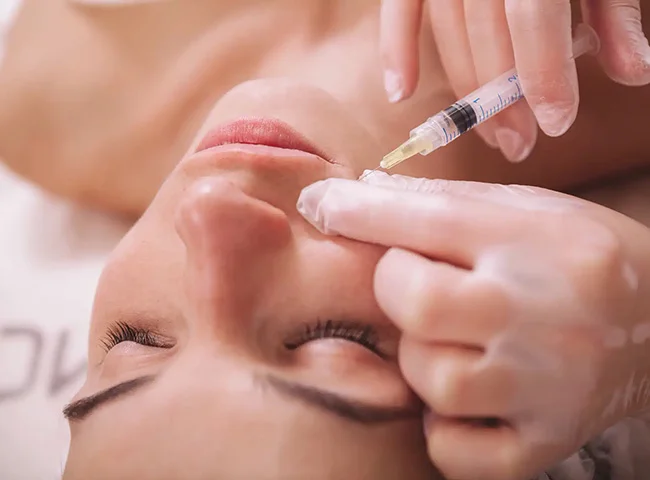
Dermal fillers are injectable products used to add volume to specific areas of the face or address certain contour concerns.
There is not just one type of dermal filler. Different products have different ingredients, characteristics and areas of use.
For example, hyaluronic acid-based fillers are widely used to add volume to areas such as the lips and face.
Which Areas Can Be Treated With Dermal Fillers?
In appropriate patients, dermal fillers may be used to:
- Add volume to the lips,
- Support the cheek area,
- Improve the shape and projection of the chin,
- Address volume loss in certain areas of the face,
- Reduce the appearance of certain facial lines and contour irregularities.
However, it is not correct to assume that every area of facial hollowing automatically requires filler. The cause of the hollowing, the anatomy of the area, skin characteristics and the individual's expectations should all be considered together.
Botox or Fillers? Which Treatment Is Right for Which Patient?
The answer to the question “Botox or fillers?” starts not with “How old are you?” but rather with “What is causing the change in your face?”
Dynamic Wrinkles That Become More Visible With Facial Expressions: Botox
If lines appear between your eyebrows when you frown, forehead lines become more visible when you raise your eyebrows, or lines around the eyes appear when you smile, muscle activity may play an important role in these wrinkles.
In such cases, Botox may be an appropriate treatment option.
Volume Loss or Facial Hollowing: Dermal Fillers
If there is volume loss, facial hollowing or a lack of contour definition in specific areas, dermal fillers may be considered.
For example, increasing lip volume or providing volume support to certain areas of the face are among the applications of dermal fillers.
What If There Are Both Dynamic Lines and Volume Loss?
Aging does not occur through a single mechanism. In addition to changes in the skin, changes can occur in the soft tissues and volume distribution of the face. At the same time, facial muscle activity continues.
For this reason, Botox and dermal fillers may sometimes be considered together for different purposes.
However, this does not mean that Botox and fillers should be used together for every patient. The best approach is to select the treatment that is genuinely needed.
Botox and Dermal Fillers Are Not the Same
One of the main reasons patients confuse these two treatments is that both are administered through injections. However, their effects are different.
Botox → Reduces muscle activity.
Dermal fillers → Add volume.
For example, if forehead lines are primarily caused by muscle activity, using filler is not always the appropriate solution.
Similarly, significant facial volume loss cannot generally be corrected simply by using Botox.
Therefore, treatment selection should be based on the underlying cause of the wrinkle or facial change.
How Long Does Botox Last?
Botox is not a permanent treatment. The effects of cosmetic botulinum toxin treatments commonly last around 3–4 months, although this can vary from person to person.
The duration of the effect may depend on factors such as the treatment area, muscle activity and individual characteristics.
Therefore, it is not appropriate to state one exact duration that applies to everyone.
How Long Do Dermal Fillers Last?
The longevity of dermal fillers varies depending on the filler material used, the treatment area and individual characteristics.
In particular, absorbable fillers can gradually be broken down by the body, and repeat treatment may eventually be needed to maintain the desired effect.
For this reason, there is no single duration that applies to all dermal fillers.
Are Botox and Dermal Fillers Safe?
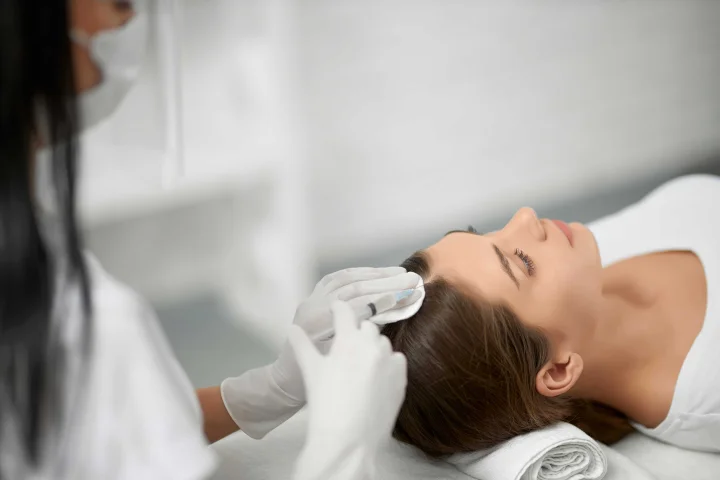
Botox and dermal fillers are medical treatments. They should be administered by an experienced healthcare professional using appropriate patient selection and proper technique.
After Botox, temporary redness, swelling or bruising may occur at the injection site. More rarely, unwanted effects such as temporary drooping of the eyelid or eyebrow may occur.
After dermal filler treatment, swelling, redness, tenderness and bruising may also occur.
Although very rare, serious complications such as accidental injection into a blood vessel can occur with dermal fillers. These complications may result in vascular blockage, tissue damage and, in some cases, serious consequences such as vision loss.
The fact that these complications are rare does not mean that dermal fillers are completely risk-free.
Therefore, dermal fillers should not be considered simply a “beauty treatment,” but rather a medical injectable procedure.
Which Looks More Natural: Botox or Fillers?
One of the key factors determining a natural-looking result is not simply which treatment is used, but whether the treatment is performed on the right patient and in the appropriate amount.
The goal of Botox is not to eliminate all facial movement. Likewise, the goal of dermal fillers is not to add as much volume as possible.
For a natural-looking result, facial proportions, existing anatomy, skin characteristics and individual expectations should be considered together.
Therefore, in aesthetic treatments, “the right amount of treatment” is often a better approach than simply having more procedures.
What Should You Consider Before Botox or Dermal Fillers?
Before treatment, it is important to inform your physician about:
- Any previous Botox or dermal filler treatments,
- Medications you are currently taking,
- Known allergies,
- Any bleeding or clotting-related conditions,
- Your aesthetic expectations,
- Any complications you may have experienced from previous treatments.
Especially when considering dermal fillers, you should ask your physician about the product being used and the specific area where it will be injected.
Frequently Asked Questions
Is Botox or filler better?
It is not correct to say that one is better than the other. Botox and dermal fillers are designed for different concerns. Botox may be more appropriate for wrinkles caused mainly by facial muscle movement, while fillers may be more suitable for volume loss or certain contour concerns.
Can Botox and fillers be performed at the same time?
In some patients, the two treatments can be planned together. However, not every patient needs both. The appropriate treatments should be determined based on facial anatomy and the individual's treatment goals.
Can dermal fillers remove wrinkles?
Dermal fillers may reduce the appearance of certain facial lines. However, not all wrinkles are caused by volume loss. When muscle movement plays an important role, botulinum toxin may be more appropriate.
Does Botox make the face look swollen?
The primary effect of Botox is not to add volume. It temporarily reduces the activity of targeted muscles. Therefore, it is not expected to create facial volume in the same way as dermal fillers.
Do dermal fillers make the face look swollen?
Temporary swelling may occur after treatment. In addition, using excessive amounts of filler may make the face look overly full or unnatural. Therefore, the amount of filler should be planned according to the individual and the treatment area.
Are Botox and dermal fillers permanent?
No. The effects of Botox are temporary. The longevity of dermal fillers varies depending on the characteristics of the product used and the treatment area.
Conclusion: Botox or Fillers?
When choosing between Botox and dermal fillers, the most appropriate starting point is not age but the underlying cause of the facial concern.
- Dynamic wrinkles caused by facial muscle movement → Botox may be considered.
- Volume loss or specific contour concerns → Dermal fillers may be considered.
- When both are present → The two treatments may be planned together or at different times.
However, this does not mean that every patient needs Botox or dermal fillers.
The goal of good aesthetic planning is not to perform as many procedures as possible. Instead, it is to select the appropriate treatment for the individual's facial structure and apply it to the correct area in the amount that is actually needed.
Therefore, before asking “Botox or fillers?”, a better starting point may be to ask: “What is causing the change in my face?”
Botox and Dermal Fillers in Adana
If you are considering Botox or dermal fillers in Adana, it is important that your treatment plan is based on your facial anatomy, skin characteristics, muscle activity and aesthetic expectations.
If you are considering Botox or dermal fillers, the first step should be determining which treatment is appropriate for your individual needs. Not every aesthetic procedure is suitable for every patient.
Contact for Botox and Dermal Fillers
To learn more about Botox and dermal filler treatments and to discuss the treatment options that may be suitable for you, you can contact Dr. Gökçen Oran.
Click here to contact Dr. Gökçen Oran and get detailed information.