Will Removing Only the Under-Eye Bags Make You Look Younger? Which Patients Benefit, and When Is It Not Enough?
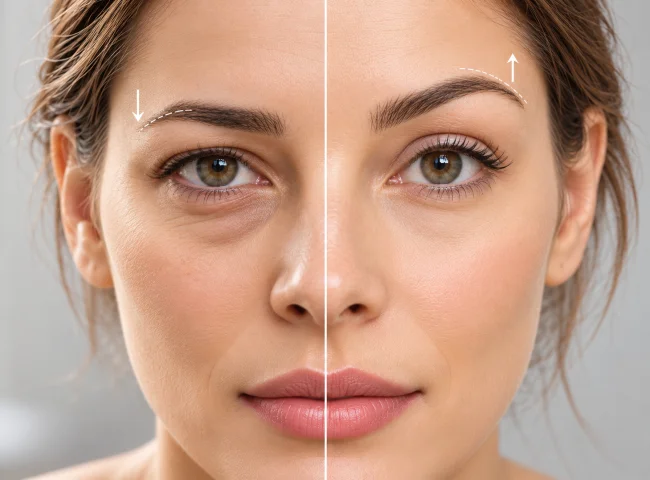
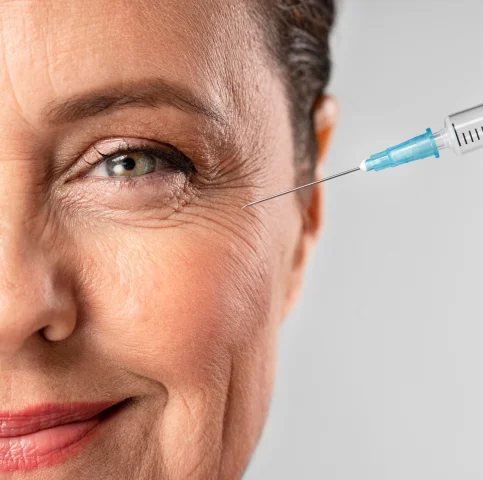
The short answer: In younger patients with genuine fat herniation, removing the under-eye bags alone is often sufficient. However, as we age, skin laxity, under-eye hollows, and midface sagging may become part of the problem. In these cases, removing the bags alone may not make you look younger and can even make a tired appearance more noticeable.
Many patients come to a consultation saying, “I look tired because of my eye bags. If you remove them, the problem will be solved.” Sometimes this is true, but sometimes it is only part of the picture. In this article, we explain when removing only the bags may be sufficient, when additional procedures may be needed, and which techniques can help achieve a more youthful appearance.
What Exactly Are Under-Eye Bags?
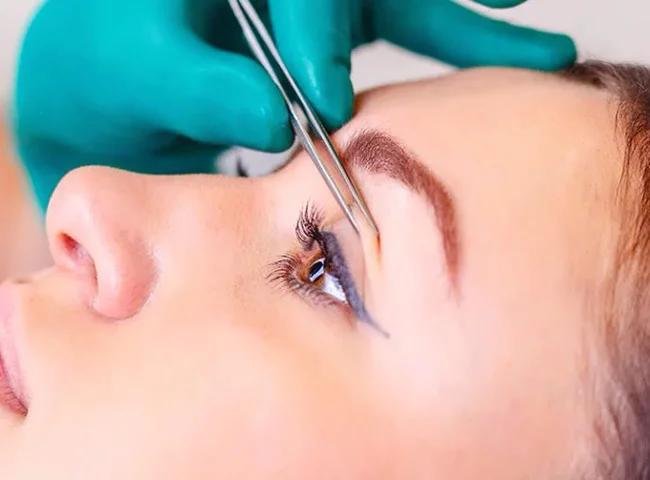
Under-eye bags develop when the fat pads around the eyes protrude outward. With age, the thin membranes that hold these fat pads in place can weaken, allowing the fat to bulge forward.
Swelling that is more noticeable in the morning, worsens with lack of sleep or salty foods, and decreases during the day may be caused by fluid retention, known as edema. This differs from under-eye bags caused by actual fat herniation. A soft bulge that remains relatively unchanged throughout the day may be associated with fat herniation. Surgical options can be considered for persistent fat protrusion.
Who May Benefit from Removing Only the Under-Eye Bags?
When the following characteristics are present together, removing only the excess fat beneath the eyes can often provide a good result:
- The patient is relatively young, often in their 20s or 30s.
- The under-eye bags are caused by actual fat herniation, which may be hereditary.
- The skin is firm, without significant wrinkles or sagging.
- There are no pronounced hollows beneath the bags.
- The cheeks and midface have not significantly descended.
In these patients, the problem is concentrated in one specific area, so treatment may also be limited to that area. When the fat is removed carefully and in appropriate amounts, the result can look natural.
Why Doesn't Removing Only the Bags Make Everyone Look Younger?
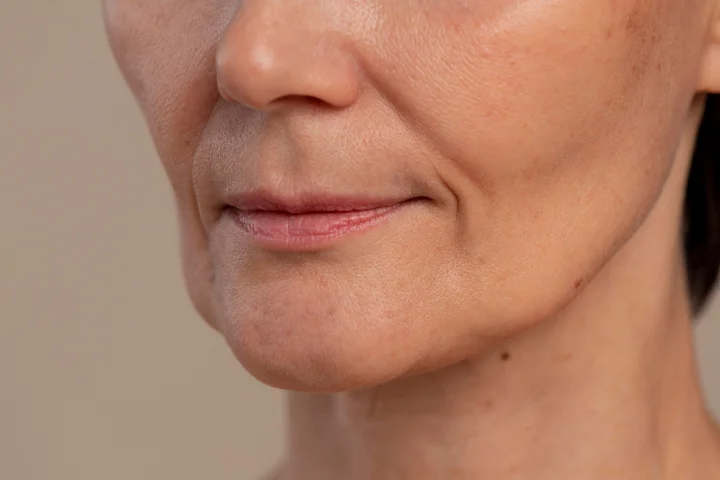
As we age, a tired appearance beneath the eyes may have more than one cause. Although the bags may be the most noticeable feature, skin laxity, under-eye hollows, midface sagging, and lower eyelid laxity can also affect the overall appearance.
Skin Laxity and Wrinkles
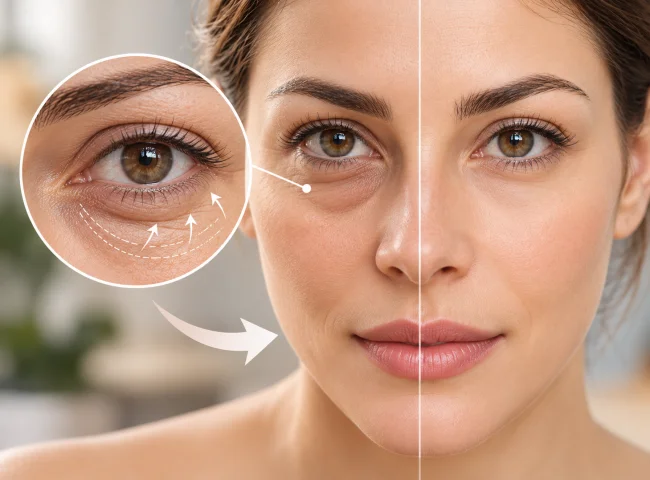
Once the bulging fat is reduced, loose and wrinkled skin beneath it may become more noticeable. Patients may feel that their bags have disappeared but the sagging beneath their eyes remains. When excess skin is present, removing fat alone may not be enough.
Under-Eye Hollows Caused by Facial Anatomy
In some people, the cheekbones are positioned farther back while the eyeballs appear relatively prominent. This anatomical structure can make the under-eye area look hollow and shadowed. Removing the bags may make existing hollows more pronounced and cause the eyes to appear sunken.
Midface Sagging
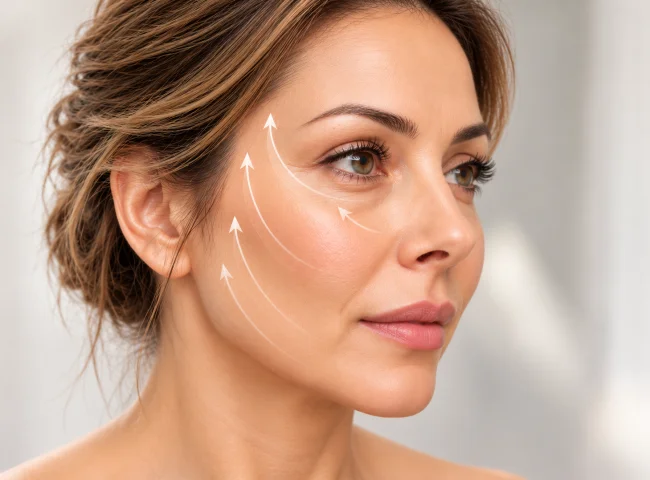
With age, cheek tissues may gradually descend. As the cheeks move downward, the groove beneath the eyes can become longer and deeper. In these cases, the issue is not limited to the lower eyelids; the position of the midface also affects the appearance. Treating only the eyelids may not fully address the problem.
Lower Eyelid Laxity
If the lower eyelid is loose, removing fat alone may negatively affect its shape. In some patients, more of the white of the eye may become visible, or the lower eyelid may be pulled downward. For this reason, lower eyelid tension and support should also be assessed when planning surgery.
In these situations, removing only the bags may reduce the bulging without creating a genuinely rejuvenated appearance. The face may still look tired even after the bags have been reduced.
Additional Techniques That May Help Create a More Youthful Appearance
Not every patient needs all of these procedures. The appropriate technique depends on the amount of under-eye fat, skin quality, the severity of any hollows, lower eyelid structure, and the position of the midface.
Fat Repositioning (Fat Transposition)
Instead of removing all the protruding fat, the surgeon may reposition it toward the hollow beneath the under-eye bag. This can reduce the prominence of the bag while creating a smoother transition between the lower eyelid and cheek.
Fat Transfer or Dermal Fillers
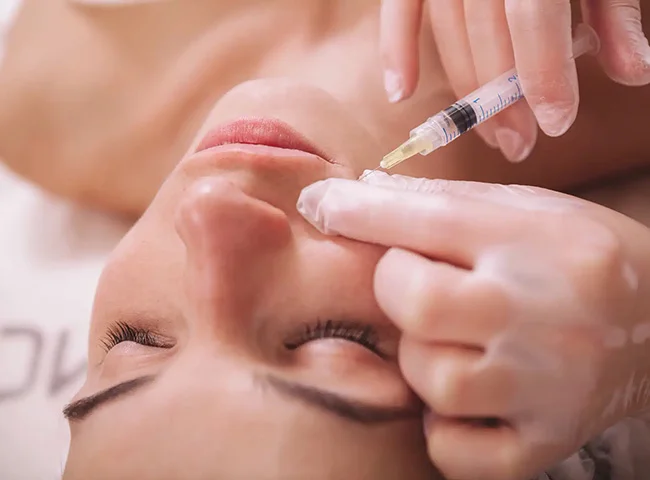
When under-eye volume loss and hollows are prominent, fat transfer or, in suitable patients, dermal filler treatments may be considered to restore volume. The most appropriate option depends on the patient's anatomy and individual needs.
Excess Skin Removal and Skin Resurfacing
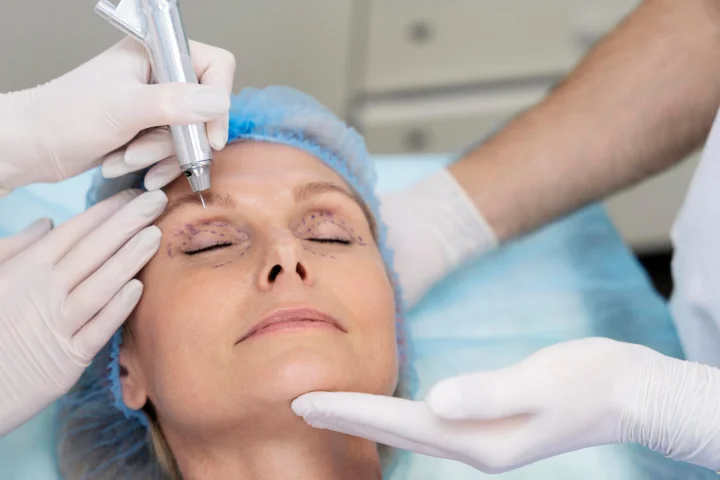
If the lower eyelids have excess skin and significant laxity, the excess skin may be removed through an incision just below the eyelashes. Additional treatments to improve skin quality may also be planned on an individual basis.
Lower Eyelid Tightening (Canthopexy)
In patients with lower eyelid laxity, supportive procedures such as canthopexy may be considered to help support the eyelid and maintain its shape. Whether this technique is necessary is determined during the examination.
Midface Lift
A midface lift may be considered when the cheek tissues have descended. Moving the cheek tissues upward can help shorten and soften the groove between the lower eyelid and cheek. Depending on the patient's needs, this procedure may be performed together with lower eyelid surgery or planned separately.
Implants for Significant Structural Support Deficiency
In some patients, the cheekbones are set back and the under-eye hollows are primarily related to the underlying bone structure. In selected cases where structural support is significantly insufficient, fat or fillers alone may not provide enough correction. Implants placed in the cheekbone or midface region may then be considered.
Implants are not necessary for everyone. Their suitability is determined by evaluating the facial bone structure, anatomical characteristics, and individual needs.
Which Approach May Be Suitable for Different Patients?
Younger Patients with Firm Skin and No Significant Hollows
If the main concern is fat herniation, with no excess skin or significant under-eye hollows, removing only the bags may often be sufficient.
Patients with Both Under-Eye Bags and Pronounced Hollows
If there is a noticeable groove or volume loss beneath the bags, fat repositioning may be considered. Fat transfer or filler treatment may also be discussed when additional volume support is needed.
Patients with Excess Skin and Loose Lower Eyelids
For patients with excess skin, the treatment plan may include skin removal, assessment of lower eyelid support, and additional techniques when necessary.
Patients with Significant Cheek Sagging
When the midface tissues have sagged noticeably, a midface lift may be considered in combination with lower eyelid surgery.
These recommendations provide a general framework. The most appropriate approach for you should be determined during an examination that takes your facial structure and expectations into account.
If Only the Bags Bother You: Under-Eye Bag Removal Using the Transconjunctival Technique
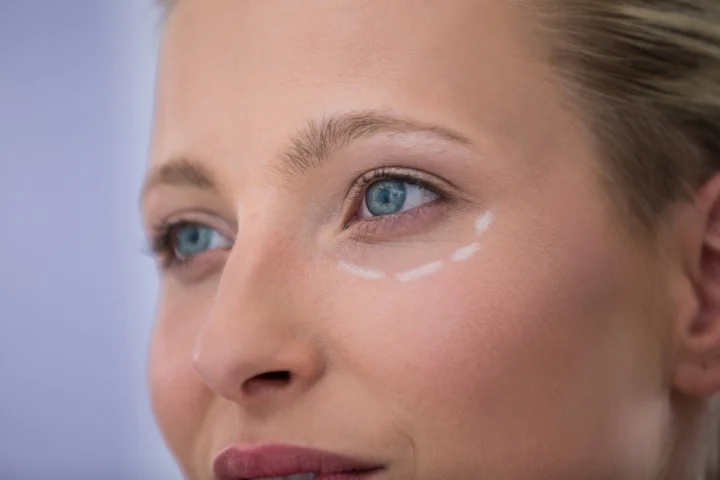
If your only concern is under-eye bags and removing them is expected to address your concerns, a closed (transconjunctival) technique may be considered when an examination reveals no significant excess skin, pronounced hollows, or midface sagging.
With this method, the incision is made through the moist inner surface of the lower eyelid, between the eye and the eyelid. The fat pads are then adjusted through this small incision. Key features of the technique include:
- There is no incision or stitch mark on the external skin surface.
- Depending on the patient's condition and the surgeon's plan, the procedure may be performed under local anesthesia or sedation.
- Suitable patients may be able to return home on the same day.
- Swelling and bruising may occur during the first few days and generally decrease significantly over the following weeks.
Important: The transconjunctival technique does not remove excess skin or directly correct under-eye hollows. Therefore, the fact that it is a simpler approach does not mean it is suitable for everyone. When the right patients are selected and the fat is adjusted conservatively, good results can be achieved. However, patients who are not suitable for this technique may not achieve the expected rejuvenation.
What Should Be Assessed Before Lower Eyelid Surgery?
A proper assessment considers the entire face rather than focusing only on the under-eye bags. The following factors should be taken into account when planning surgery:
- The side profile and the relationship between the cheekbones and eyeballs
- The length and depth of the under-eye hollows
- The degree of cheek and midface sagging
- Skin quality, wrinkles, and excess skin
- The tension and support of the lower eyelids
- A history of dry eyes and previous eye surgery
- The patient's expectations and the specific appearance they wish to change
This assessment helps determine whether removing only the bags is likely to be sufficient or whether additional procedures may be needed.
Considering Under-Eye Surgery in Adana?
Lower eyelid surgery requires careful evaluation of facial anatomy and aesthetic balance. Patients considering under-eye bag removal or lower blepharoplasty in Adana should discuss their expectations and suitable treatment options in detail with a plastic surgeon before making a decision.
Patients travelling from Adana and nearby provinces, including Mersin, Hatay, Osmaniye, and Kahramanmaraş, may wish to discuss the following questions during their consultation:
- Do I have only under-eye bags, or are skin laxity, hollows, or midface sagging also contributing to my appearance?
- How likely am I to be satisfied with the result if only the bags are removed?
- Is the closed (transconjunctival) technique suitable for me?
- Do I need an additional procedure? If so, why is it recommended?
A consultation where you can comfortably ask these questions and clearly understand the benefits and limitations of each option is an important step toward making an informed decision.
For an individual assessment and more information about under-eye bags and lower eyelid aesthetics, you can contact Dr. Gökçen Oran.
Frequently Asked Questions
Will removing only my under-eye bags make me look younger?
Often, yes, if you are relatively young and the problem is caused solely by fat herniation. However, if you also have skin laxity, under-eye hollows, or midface sagging, removing the bags alone may not be sufficient.
Will there be a visible scar after the transconjunctival technique?
Because the incision is made on the inner surface of the lower eyelid, there is no visible incision scar on the external skin.
Can excess skin also be removed using the transconjunctival technique?
No. The closed transconjunctival technique does not remove excess skin. If excess skin is present, a different surgical approach should be considered.
Can removed under-eye bags come back?
The fat tissue that is removed generally does not return in the same form. However, the aging process continues, and new changes may develop around the eyes or in other areas of the face over time.
Does everyone need a midface lift?
No. A midface lift may be considered particularly for patients with significant cheek sagging who may not achieve a sufficient result from lower eyelid surgery alone.
Conclusion
Removing only the under-eye bags can provide natural and effective results in carefully selected patients. However, patients with under-eye hollows, excess skin, lower eyelid laxity, or midface sagging may require a more comprehensive treatment plan. The goal is not simply to remove the bags, but to create a natural balance between the eye area and the overall appearance of the face.
This article is intended for general informational purposes and does not replace a medical examination. The type and extent of surgery should be determined by a plastic surgeon after evaluating your facial structure, skin quality, medical history, and expectations.