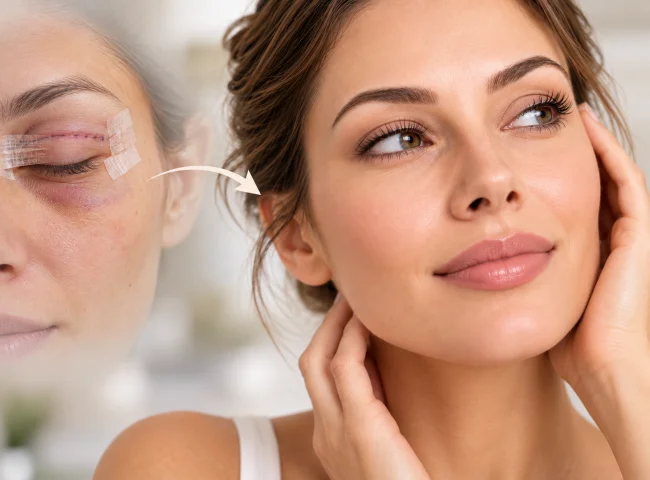
Is Non-Surgical Eyelid Aesthetics Possible? When Is It Effective?
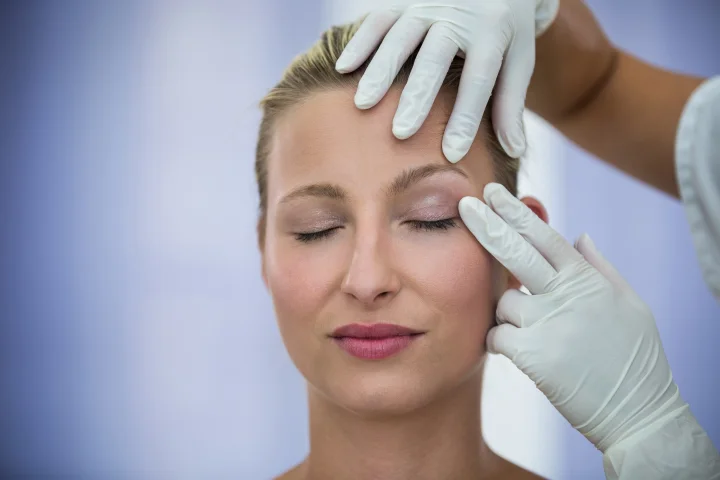
The skin around the eyes is one of the thinnest and most delicate areas of the face. With aging, genetic factors, environmental influences, and repeated facial expressions, fine lines, loss of elasticity, and mild skin laxity may gradually develop around the eyes.
With advances in aesthetic medicine, various procedures are now available under the term non-surgical eyelid rejuvenation. These treatments may help improve mild signs of aging and skin quality around the eyes without surgery.
However, non-surgical eyelid treatments are not equally effective for every patient. The appropriate treatment depends on factors such as skin quality, degree of skin laxity, amount of excess skin, under-eye bags, and the patient's expectations.
What Is Non-Surgical Eyelid Aesthetics?
Non-surgical eyelid aesthetics refers to medical aesthetic procedures designed to improve skin quality, fine lines, and mild skin laxity around the eyes without surgical incisions or stitches.
Depending on the treatment, these procedures may aim to stimulate collagen production, support skin renewal, improve skin firmness, or reduce the appearance of expression lines around the eyes.
The effectiveness of non-surgical treatments varies from person to person. Therefore, an examination by an experienced physician is important before deciding on a treatment.
Which Treatments Can Be Used for Non-Surgical Eyelid Rejuvenation?
Different non-surgical treatments can be considered depending on the patient's individual needs. Common approaches include energy-based skin treatments and injectable procedures.
1. Laser, Plasma, and Radiofrequency Treatments
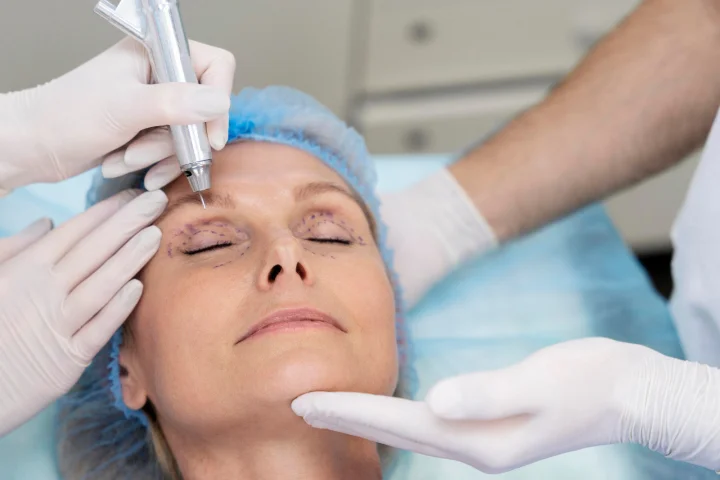
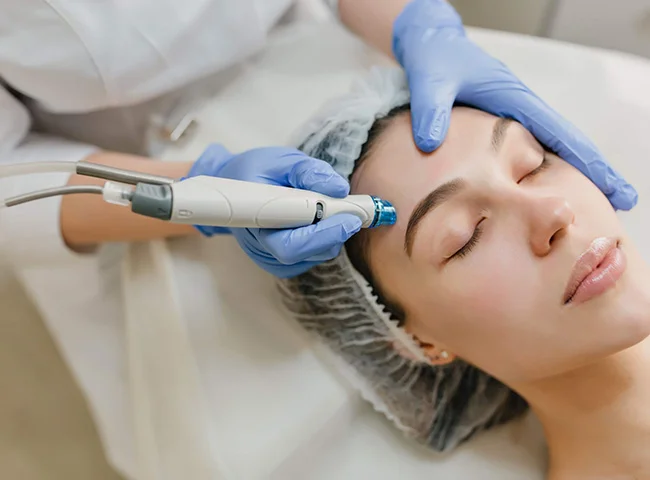
Laser, plasma, and radiofrequency technologies are among the energy-based treatments that may be used to improve skin quality and mild skin laxity around the eyes.
Depending on the device and treatment protocol, these technologies can create a controlled effect in the skin and support skin renewal and collagen production. This may help reduce the appearance of fine lines and improve skin firmness.
- Laser treatments: May help renew the skin surface and reduce the appearance of fine lines.
- Plasma treatments: May be used in appropriate patients to support controlled skin renewal and tightening.
- Radiofrequency treatments: May help support skin tightening and collagen production.
These treatments may be beneficial for patients with mild skin laxity. However, their effect may be limited when there is a significant amount of excess skin.
2. Periocular Mesotherapy
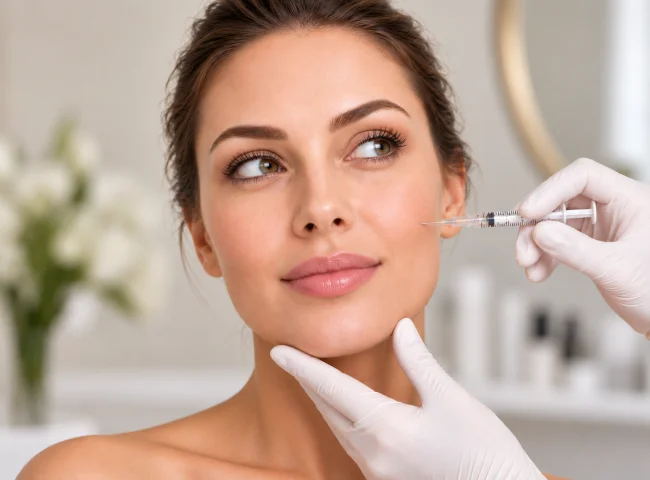
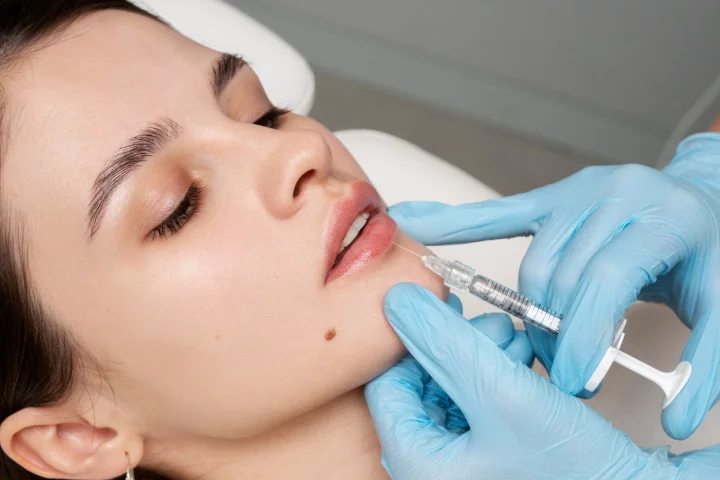
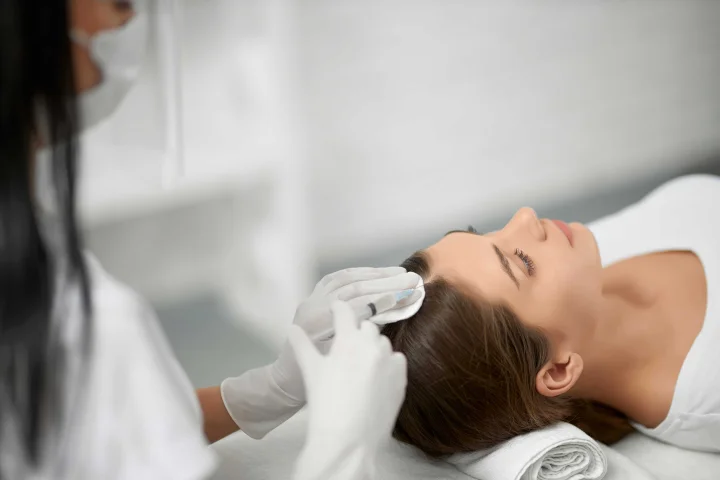
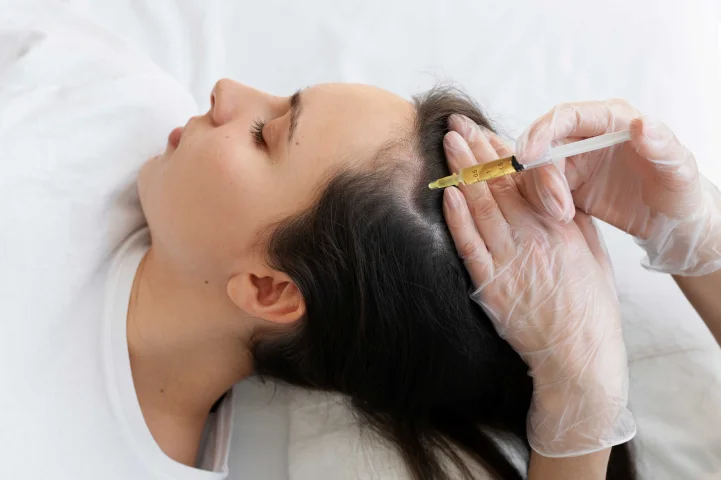
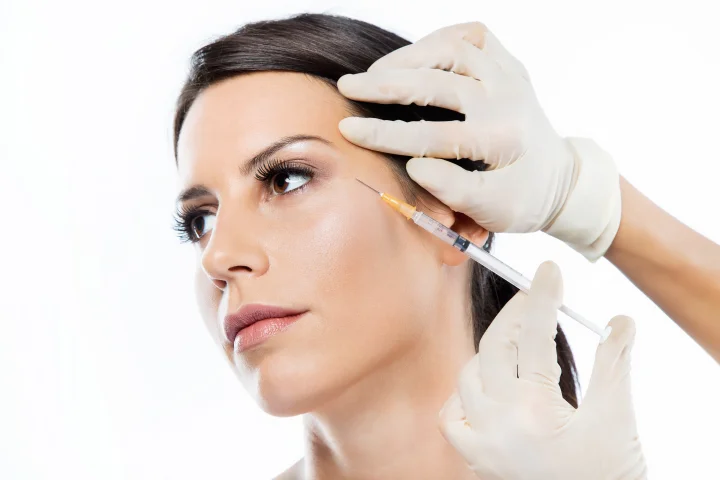
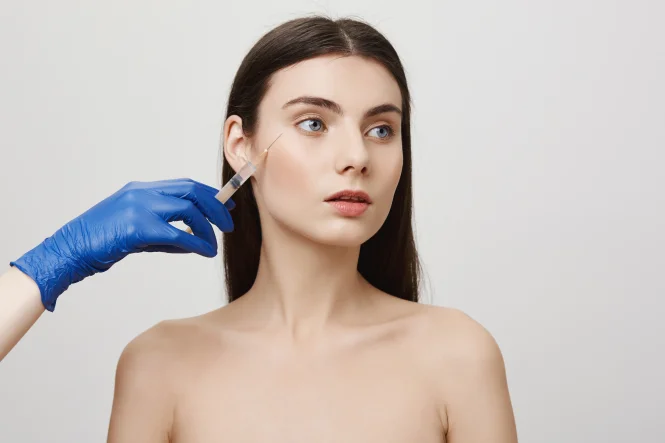
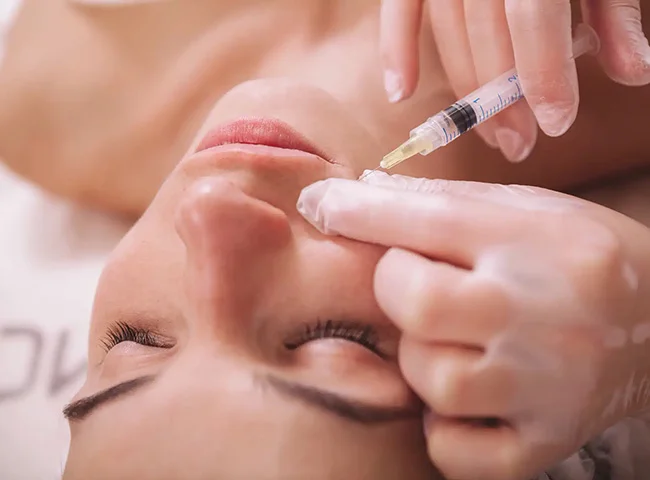
Periocular mesotherapy is a medical aesthetic treatment in which selected ingredients are injected into the skin in small amounts to support skin quality around the eyes.
The ingredients used may vary depending on the patient's needs and treatment plan. The aim is generally to support skin hydration and quality and help reduce the appearance of fine lines.
Mesotherapy does not remove significant excess skin and is not a surgical alternative for patients with pronounced eyelid laxity. Its suitability should therefore be determined following an individual assessment.
3. Botulinum Toxin (Botox)
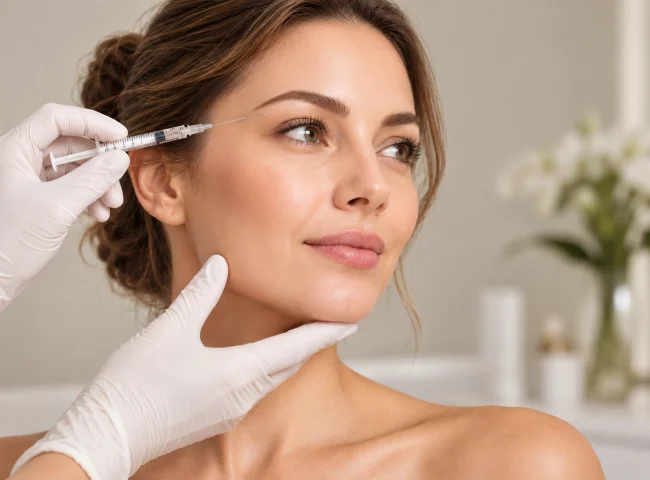
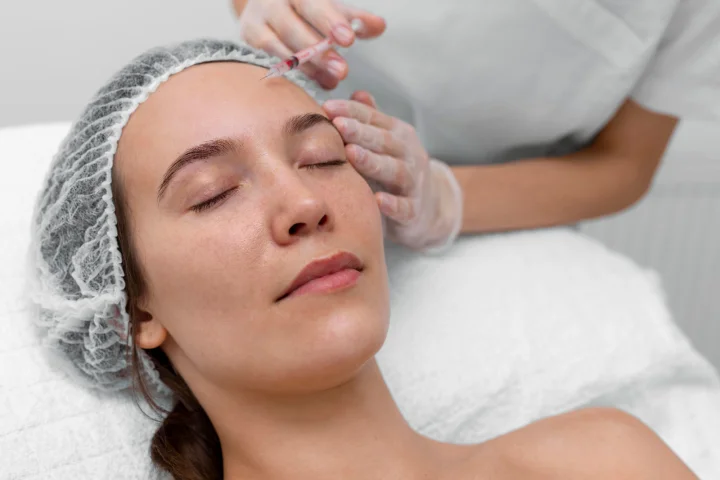
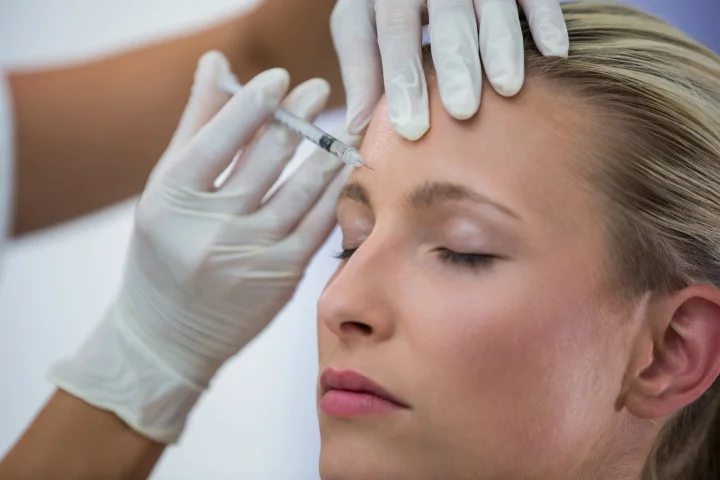
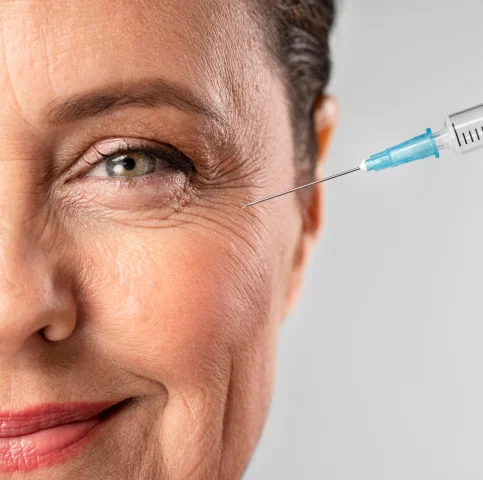
Botulinum toxin can be used to reduce the appearance of crow's feet and other expression lines around the eyes.
In some patients, reducing the activity of specific muscles around the outer eyebrow may create a subtle lifting effect at the eyebrow tail. However, botulinum toxin does not remove excess eyelid skin or correct significant skin laxity surgically.
When Is Non-Surgical Eyelid Rejuvenation Effective?
Non-surgical eyelid treatments may be considered for patients with early signs of aging, fine lines, and mild skin laxity around the eyes.
Mild Skin Laxity
When there is no significant excess skin but mild looseness is present, energy-based skin treatments or other non-surgical aesthetic procedures may be considered.
Fine Lines and Wrinkles
If fine lines around the eyes become more noticeable with facial expressions, suitable patients may benefit from treatments such as botulinum toxin or skin-renewal procedures.
Reduced Skin Quality
For concerns such as dehydration, fine wrinkles, and reduced elasticity, treatments including mesotherapy, laser, radiofrequency, or other appropriate procedures may be considered depending on the patient's needs.
When Is Non-Surgical Eyelid Aesthetics Not Enough?
Although non-surgical treatments may improve skin quality and provide a certain degree of tightening, they cannot surgically remove or reposition excess skin or fat tissue.
For this reason, the severity and anatomical cause of the changes around the eyes are important factors when selecting the appropriate treatment.
Significant Upper Eyelid Skin Excess
When excess skin on the upper eyelid extends toward the lash line or creates a pronounced fold, non-surgical treatments may provide limited improvement.
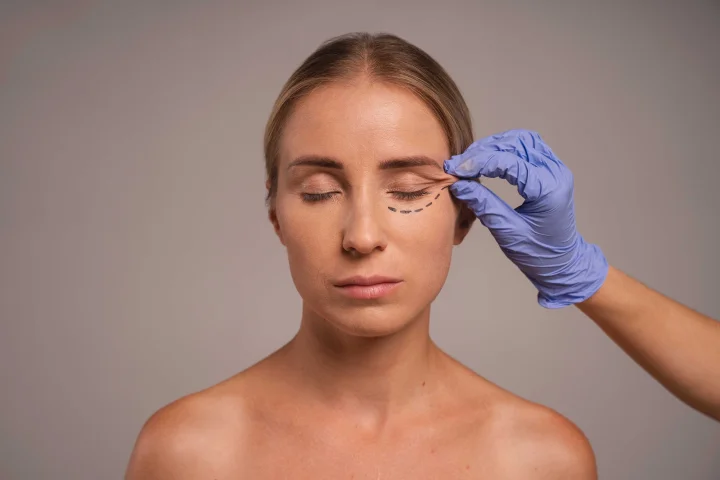
In such cases, upper blepharoplasty may be considered to surgically remove excess skin and improve the appearance of the upper eyelid.
Prominent Under-Eye Bags
Under-eye bags caused by the forward protrusion of orbital fat may not be completely corrected with treatments that only improve skin quality.
When prominent fat protrusion or excess skin is present, lower blepharoplasty may be considered as a more comprehensive treatment option.
Eyelid Drooping and Ptosis
Eyelid drooping is not always caused by excess skin. Problems involving the muscles or anatomical structures responsible for lifting the eyelid may be diagnosed as ptosis.
In these cases, non-surgical skin treatments may not address the underlying problem. The cause of the eyelid drooping should be evaluated and an appropriate treatment plan should be determined by a physician experienced in periocular anatomy.
What Is the Difference Between Non-Surgical Eyelid Rejuvenation and Blepharoplasty?
Non-surgical eyelid treatments and blepharoplasty should not be considered identical procedures. Non-surgical treatments primarily aim to improve skin quality, fine lines, and mild skin laxity.
Blepharoplasty is a surgical eyelid procedure that allows excess skin and fat, and when necessary other tissues, to be surgically adjusted in the upper or lower eyelid.
- Mild skin laxity: Non-surgical treatments may be considered.
- Fine lines: Laser, radiofrequency, or appropriate injectable treatments may be considered.
- Expression-related crow's feet: Botulinum toxin may be suitable for selected patients.
- Significant excess skin: Blepharoplasty may be a more appropriate option.
- Prominent under-eye bags: Lower blepharoplasty may be considered.
- Ptosis: The underlying cause of eyelid drooping should be evaluated separately.
What Are the Advantages of Non-Surgical Eyelid Treatments?
For suitable patients, one of the main advantages of non-surgical periocular treatments is that they do not require surgical incisions and generally involve a shorter social recovery period compared with surgical procedures.
- No surgical incision or stitches for appropriate non-surgical procedures
- Support for skin quality around the eyes
- Reduction in the appearance of fine lines
- Improvement in mild skin laxity
- Potentially shorter return to daily activities for suitable treatments
However, the duration and extent of results vary depending on the treatment, individual skin characteristics, and the degree of aging. Some non-surgical treatments may need to be repeated periodically.
Non-Surgical Eyelid Aesthetics in Adana
Non-surgical eyelid aesthetics in Adana requires careful evaluation of the underlying concern around the eyes. Mild skin laxity, significant excess skin, and prominent under-eye fat bags are different anatomical problems and should not be treated in the same way.
Dr. Gökçen Oran evaluates the anatomy of the eye area, skin quality, degree of eyelid laxity, and the patient's aesthetic expectations to determine the most appropriate treatment options.
Whether a non-surgical treatment or surgical eyelid rejuvenation is more appropriate should be determined following an individual examination.
Why Is Choosing the Right Doctor Important for Non-Surgical Eyelid Treatments?
The area around the eyes is anatomically delicate. Therefore, selecting the appropriate medical aesthetic procedure and applying it using the correct technique are important.
Treatment planning should consider not only the appearance of the skin but also eyebrow position, eyelid structure, the amount of excess skin, under-eye fat, and the presence of any eyelid drooping.
Conclusion: Is Non-Surgical Eyelid Aesthetics Suitable for Everyone?
Non-surgical eyelid aesthetics may help improve the appearance of fine lines, skin quality concerns, and mild skin laxity around the eyes in appropriately selected patients.
However, when significant excess skin, advanced eyelid laxity, or prominent under-eye fat bags are present, non-surgical treatments may provide limited results. In such cases, surgical procedures such as blepharoplasty may offer more predictable results.
For this reason, the most appropriate treatment should be determined based on the individual's eye anatomy, skin condition, and aesthetic expectations.
Information and Contact for Eyelid Aesthetics in Adana
If you would like to learn whether a non-surgical treatment or eyelid surgery would be more appropriate for your concerns around the eyes, you can contact Dr. Gökçen Oran for an individual evaluation.
Visit the contact page to learn more about eyelid aesthetics and request a consultation.