Is Non-Surgical Prominent Ear Aesthetics Suitable for Everyone?
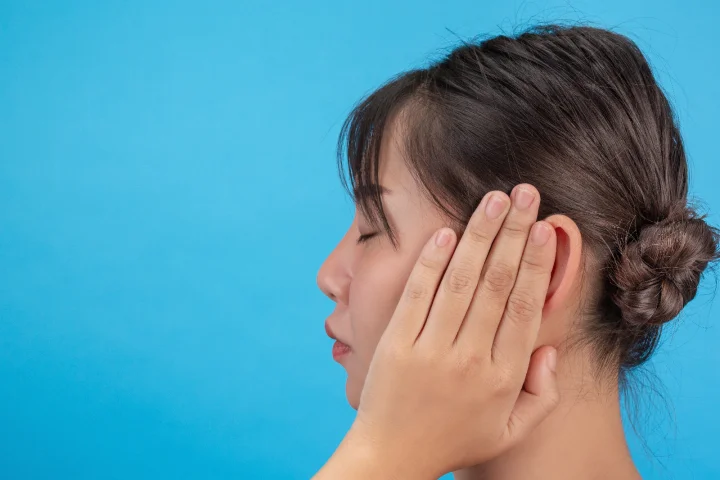
Non-surgical prominent ear aesthetics has become an increasingly researched option for people who want to reduce the appearance of protruding ears. However, it is important to understand that procedures marketed as “non-surgical” are not always completely free of surgical intervention.
Prominent ears may occur because of an increased angle between the ears and the head, insufficient development of the antihelix fold, or differences in the shape and structure of the ear cartilage. Therefore, the appropriate treatment should be selected according to the underlying anatomy rather than simply the appearance of the ears.
Patients researching prominent ear aesthetics in Adana often want to understand when suture-based techniques may be appropriate and how they differ from conventional otoplasty.
What Is Non-Surgical Prominent Ear Aesthetics?
The term “non-surgical prominent ear aesthetics” is commonly used to describe minimally invasive techniques in which special sutures are used to reshape and reposition the ear cartilage. The main goal is to bring the ears closer to the head and reduce the appearance of protrusion.
However, these suture-based procedures should not be considered completely non-surgical. Small skin incisions or entry points may be required to place the sutures. Therefore, although the procedure may be less invasive than conventional otoplasty involving more extensive cartilage reshaping, it is still a surgical intervention in technical terms.
Understanding this distinction is important for establishing realistic expectations before treatment.
How Is Suture-Based Prominent Ear Correction Performed?
In suture-based prominent ear correction, the aim is to reposition the ear closer to the head using specially placed sutures at selected points of the ear cartilage.
Depending on the technique and the patient's anatomy, the procedure may be used to improve the definition of the natural ear folds and reduce the angle between the ear and the head.
However, the ability to reshape different areas of the cartilage may be more limited compared with conventional otoplasty.
What Are the Limitations of Suture-Based Prominent Ear Correction?
Not every prominent ear deformity is the same. Several anatomical factors may affect treatment planning, including the distance of the ear from the head, development of the antihelix fold, prominence of the conchal area, and flexibility of the cartilage.
One of the main limitations of suture-based techniques is that they may provide less flexibility when comprehensive reshaping of different parts of the ear cartilage is required.
Prominent Conchal Cartilage
If a prominent conchal area is one of the main causes of the protruding ear appearance, simply repositioning the ear with sutures may not provide sufficient correction.
In such cases, surgical techniques that allow direct reshaping of the cartilage may provide a more controlled approach.
Insufficient Antihelix Fold
When the antihelix fold is insufficiently developed, recreating the natural fold of the ear may be necessary.
During conventional otoplasty, the surgeon can recreate the antihelix fold using appropriate suture techniques and reshape the ear more comprehensively.
Multiple Anatomical Problems
When the ears protrude from the head in combination with insufficient antihelix development, prominent conchal cartilage, or other structural differences, achieving the desired result using sutures alone may not always be possible.
For this reason, treatment should be selected based not only on whether a technique is described as “non-surgical” or “scarless,” but also on how well it addresses the patient's individual anatomy.
What Is the Difference Between Suture-Based Techniques and Conventional Otoplasty?
Conventional prominent ear surgery (otoplasty) is a surgical procedure that allows the ear cartilage to be reshaped more comprehensively.
When necessary, the surgeon can recreate the antihelix fold, reshape the conchal cartilage, and adjust the angle between the ear and the head in a more controlled manner.
With suture-based techniques, the primary approach is to change the position of the ear using sutures placed at selected points. Therefore, the choice between the two approaches should be based on the patient's ear anatomy and the degree and type of deformity.
Potential Advantages of Suture-Based Techniques
- May require a more limited surgical approach
- May involve less extensive manipulation of the cartilage
- May provide a minimally invasive option for appropriately selected patients
Advantages of Conventional Otoplasty
- Allows more comprehensive reshaping of the ear cartilage
- Allows the antihelix fold to be recreated when necessary
- Allows the conchal area to be modified when indicated
- Allows the angle between the ear and head to be adjusted more precisely
The most appropriate method should be determined through an individual medical examination rather than by applying the same technique to every patient.
Non-Surgical Ear Molding During the Newborn Period
Newborn ear molding is different from suture-based prominent ear correction performed at later ages.
Because newborn ear cartilage is significantly more flexible, selected ear deformities may be treated using molding devices, tapes, or similar techniques to guide the development of the ear.
The effectiveness of these methods depends on factors such as the baby's age, the type of ear deformity, and the characteristics of the cartilage. Therefore, early professional evaluation is important when prominent ear or other ear deformities are noticed in a newborn.
Is Non-Surgical Prominent Ear Aesthetics Suitable for Everyone?
No. Procedures described as non-surgical prominent ear treatments are not suitable for every patient.
The degree of the ear deformity, cartilage structure, development of the antihelix fold, prominence of the conchal area, and angle between the ears and the head should be evaluated before selecting the appropriate treatment.
In cases involving significant cartilage deformity or requiring comprehensive reshaping, conventional otoplasty may be a more appropriate option.
For this reason, terms such as “scarless,” “non-surgical,” or “one-suture permanent solution” should be evaluated carefully. Patients should understand exactly how the procedure is performed and which anatomical problems it can realistically correct.
Does Non-Surgical Prominent Ear Aesthetics Leave a Scar?
Suture-based techniques may use smaller entry points compared with conventional otoplasty. However, because the skin may need to be punctured or incised during the procedure, it should not be described as a completely scar-free treatment.
The appearance of any resulting marks depends on factors such as the technique used, the location of the entry points, and the individual's wound-healing characteristics and skin structure.
In conventional otoplasty, the incision is generally placed within the natural fold behind the ear. This approach aims to minimize the visibility of the surgical scar.
How Is the Cost of Non-Surgical Prominent Ear Aesthetics Determined?
The cost of non-surgical prominent ear aesthetics may vary depending on the technique used, the scope of the procedure, whether one or both ears are treated, the surgeon's experience, and the conditions of the medical facility.
For this reason, there is no single fixed price that applies to every patient. The ear structure should first be evaluated and the appropriate treatment method determined before an individualized cost estimate can be provided.
Non-Surgical Prominent Ear Aesthetics in Adana
During an evaluation for prominent ear aesthetics in Adana, the underlying causes of the prominent ear appearance and the patient's individual ear anatomy are assessed.
Whether a suture-based minimally invasive technique is appropriate or conventional otoplasty would provide a more suitable solution should be determined following an individual examination.
Dr. Gökçen Oran evaluates the patient's ear structure, the degree of deformity, and individual expectations to determine an appropriate treatment approach.
Conclusion: Which Prominent Ear Treatment Is Right for You?
Non-surgical prominent ear aesthetics, particularly suture-based techniques, may provide a minimally invasive approach for appropriately selected patients. However, these methods may not be sufficient for every anatomical problem.
In cases involving significant cartilage deformity, prominent conchal cartilage, or multiple structural abnormalities, conventional otoplasty may allow more comprehensive and controlled reshaping of the ear.
An assessment by an experienced plastic surgeon is important to determine the most appropriate treatment according to the patient's ear anatomy, expectations, and individual needs.
Information and Contact for Prominent Ear Aesthetics in Adana
If you would like to learn more about prominent ear aesthetics in Adana, find out which treatment option may be suitable for your ear structure, or request an individual consultation, you can contact Dr. Gökçen Oran.